A Failure to Launch
Play A Failure to Launch
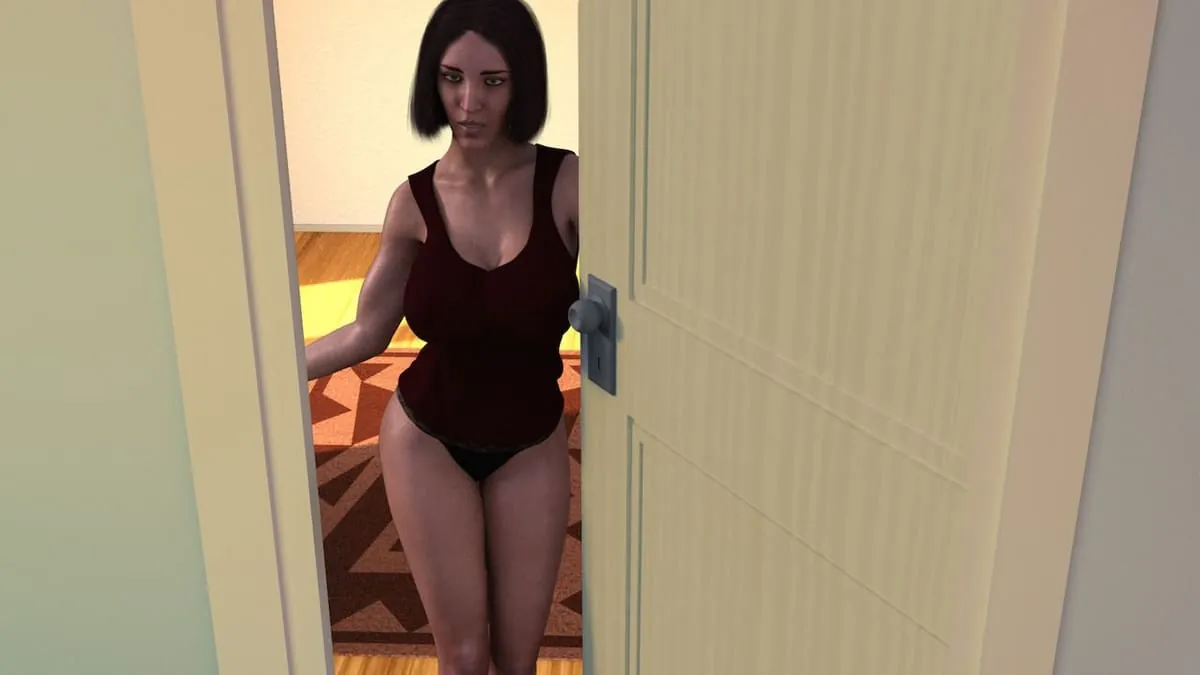
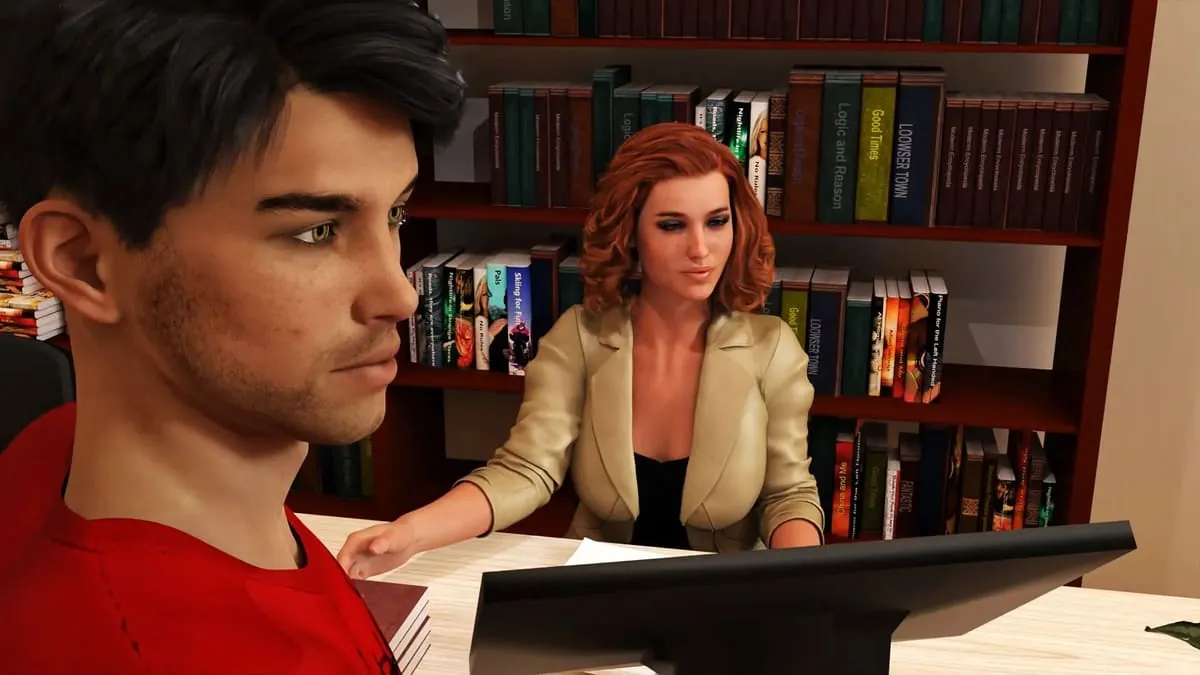
A Failure to Launch Screenshots









A Failure to Launch review
Honest impressions, gameplay insights, and practical tips for exploring A Failure to Launch
A Failure to Launch has been getting attention among adults who enjoy unconventional, narrative-driven games that mix humor, awkward situations, and character-driven storytelling. If you have stumbled across the title and wondered what kind of experience it really offers, you are not alone. In this guide, I will walk you through what A Failure to Launch is actually like to play, how its core loops feel over time, and the kind of audience it suits. Along the way, I will share some first-hand style impressions, practical advice for new players, and a clear-eyed look at both its strengths and its rough edges.
What Is A Failure to Launch and Who Is It For?
Let’s cut straight to the chase. When you hear the title A Failure to Launch game, what comes to mind? 🤔 Another power fantasy where you save the world? A complex simulator with a hundred interlocking systems? If so, you’re in for a surprise. The real answer to what is A Failure to Launch is something far more nuanced, relatable, and intentionally messy.
This is a story driven adult game that swaps epic quests for cringe-worthy conversations, and flawless victories for gloriously awkward stumbles. Its power doesn’t lie in granting you control, but in showing you what happens when you have very little of it. So, who is this for, and what’s it actually like to play? Let’s dive in.
What kind of game is A Failure to Launch?
At its core, A Failure to Launch is a narrative experiment wrapped in the skin of an interactive story. Forget sprawling open worlds or skill trees; the primary landscape here is human interaction, and your main tool is dialogue. The A Failure to Launch gameplay overview is simple: you read, you choose, and you live with the consequences. But that simplicity is deceptive.
The premise throws you into the shoes of a character navigating a pivotal, frustrating, and often hilariously imperfect period of life. Think stagnant careers, tangled personal relationships, and social situations where you’re never quite sure of the right thing to say. The setting is grounded, familiar, and ripe with tension. You’re not a chosen one; you’re just someone trying to figure it out, often in front of an audience.
The true charm—and the source of the game’s name—is how it celebrates the stumble. This isn’t a game about avoiding failure; it’s about navigating through it. A badly timed joke, a moment of misplaced confidence, or a simple misunderstanding can spiral into the most memorable parts of the story. The gameplay loop is built on paying close attention to dialogue subtleties, understanding the personalities of other characters, and making choices that feel true to your character’s flawed humanity.
You won’t find a “best” ending in a traditional sense. Instead, you’ll find authenticity. Progress is measured in character development, shifting dynamics, and the small, hard-won insights that come from getting things wrong before you occasionally get them right. It’s a game that asks you to lean into the embarrassment, because that’s where the humor and the heart are.
Who will actually enjoy A Failure to Launch?
This is the million-dollar question. A Failure to Launch is a wonderfully specific experience, and knowing if it’s for you is key to enjoying it. It’s not trying to be everything to everyone, and that’s its strength. So, let’s break down who is A Failure to Launch for with complete honesty.
This game is a perfect match for players who:
* Prioritize story over systems. If you love getting lost in a good book or a film with rich characters, this will feel like home.
* Enjoy visual-novel style experiences and dialogue-heavy games. Your main interaction is reading and choosing, and the narrative is the primary reward.
* Appreciate satire, awkward humor, and a bit of self-deprecation. The comedy comes from relatable social blunders, not slapstick.
* Are fascinated by branching narratives and the “butterfly effect” of small choices. Seeing how a single line of dialogue can alter a relationship is a core pleasure.
* Seek out indie games that focus on mood, tone, and emotional beats rather than graphical prowess or endless content.
Conversely, you might feel underwhelmed if you:
* Crave fast-paced action, combat, or reflex-based challenges. The pace here is deliberate and conversational.
* Need constant mechanical progression like leveling up stats or collecting loot.
* Prefer games where you can easily “win” or optimize a path to a clear-cut “good ending.”
* Get impatient with slow-burn character development and want immediate plot payoff.
To make it even clearer, here’s a simple breakdown:
| 🎯 Ideal For Players Who Love… | ⚠️ Might Disappoint Players Who Want… |
|---|---|
| Deep, character-driven narratives | Fast-paced action or combat mechanics |
| Dialogue choices that shape relationships | A clear “right” or “wrong” path to follow |
| Awkward, situational humor and satire | Power fantasies and flawless protagonists |
| Slow-burn storytelling and subtle payoffs | Constant gameplay unlocks and skill trees |
| Experimental and mood-focused indie titles | Traditional “hero’s journey” story arcs |
Ultimately, A Failure to Launch is for the thoughtful player, the one who finds intrigue in messy human dynamics and sees the narrative potential in a simple, failed conversation. It’s a game that holds up a mirror, albeit a funhouse mirror, to our own social anxieties and laughs along with us. 😅
My first experience playing A Failure to Launch
My A Failure to Launch first impressions were… well, a perfect example of the game’s core philosophy. I booted it up expecting to navigate its social landscapes with my usual game-logic: be mildly charming, avoid obvious pitfalls, and steer toward positive outcomes. I was quickly, and hilariously, humbled.
The scene was a casual backyard gathering. My character was tasked with simply making a good impression on a new group of acquaintances. Seems straightforward, right? An early dialogue choice presented itself. Another character made a self-deprecating joke about their cooking. I was given three responses:
1. A light, playful tease.
2. A sincere compliment.
3. An awkward attempt to relate by sharing my own mediocre skill.
In my hubris, I thought option one—the playful tease—showed confidence and camaraderie. I clicked it without a second thought.
What followed was a masterclass in social catastrophe. 😳 My character’s “playful tease” landed with the grace of a lead balloon. The tone was off, the delivery was clumsy, and the game’s writing made me feel the sudden chill in the pixelated air. The character’s smile became strained. Others in the group exchanged glances. The conversation stumbled, limped along for a few more painful lines, and then the scene ended with my character basically alone, sipping a drink and radiating regret.
I had failed. Miserably. And it was fantastic.
This wasn’t a “Game Over” screen. It was the game beginning. That failure became a defining moment for that playthrough. Future interactions referenced that awkwardness. Some characters were more hesitant around me, others pitied me, and one surprisingly found my clumsiness endearing. My A Failure to Launch review style impressions solidified in that moment: this game isn’t about avoiding pitfalls; it’s about the unique, often funny story that unfolds because you fell into them.
My big takeaway? Pay excruciating attention. The “correct” choice is rarely obvious because it’s not about correctness—it’s about understanding the specific people in the scene. That failure taught me to read the subtext, to consider the speaker’s personality, and to realize that sometimes, the most interesting path is the one where you put your foot in your mouth.
That first session set my expectations perfectly. A Failure to Launch is about the journey, not the destination. It’s about the messy, cringe-worthy, and surprisingly heartfelt moments that happen when we’re trying our best and still coming up short. Your first failure might be different from mine, but it will undoubtedly teach you how to play—and more importantly, how to appreciate the glorious, narrative-rich mess you’re creating. It’s a game that rewards emotional curiosity over strategic perfection, and that’s what makes it a uniquely compelling experience.
A Failure to Launch is the kind of game that rewards players who are willing to lean into awkward moments, read between the lines of every conversation, and accept that failure is part of the entertainment. Rather than trying to make you feel invincible, it invites you to laugh at missteps, reconsider your choices, and gradually piece together better outcomes for its characters. If you enjoy narrative-heavy experiences with dry humor, surprising twists, and a focus on relationships over reflexes, this title is well worth your time. Give yourself space to experiment, replay key scenes, and treat every misfire as just another story you will tell later.