Play After the Inferno
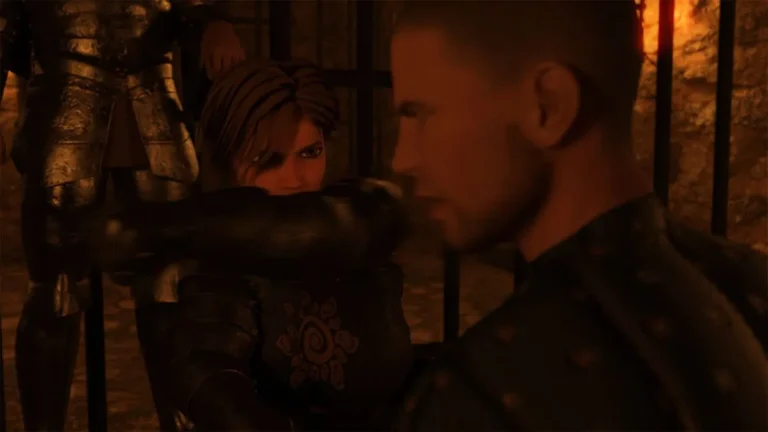
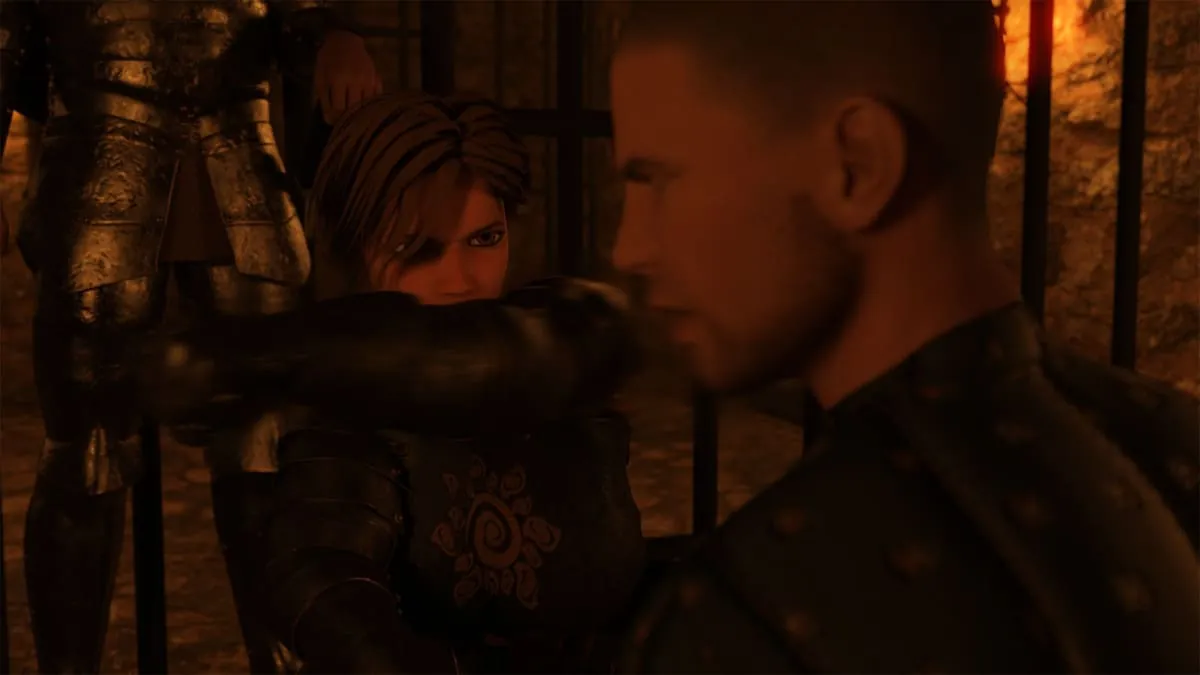
After the Inferno Screenshots
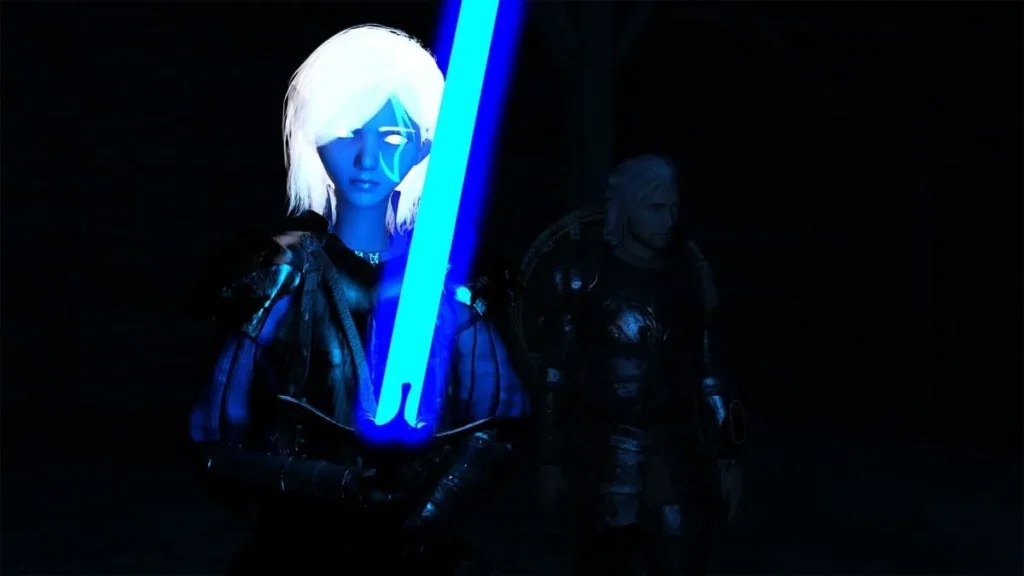
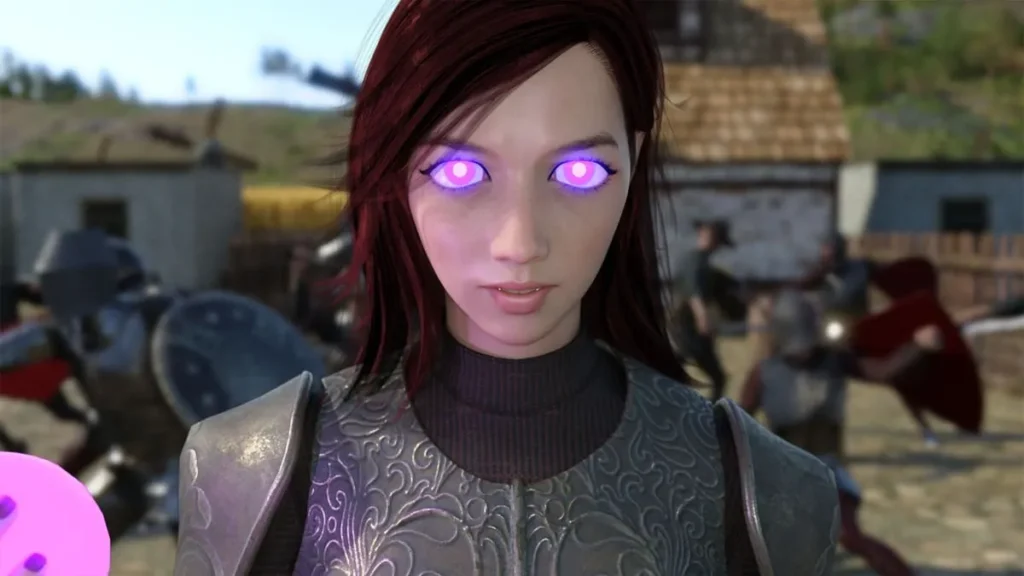
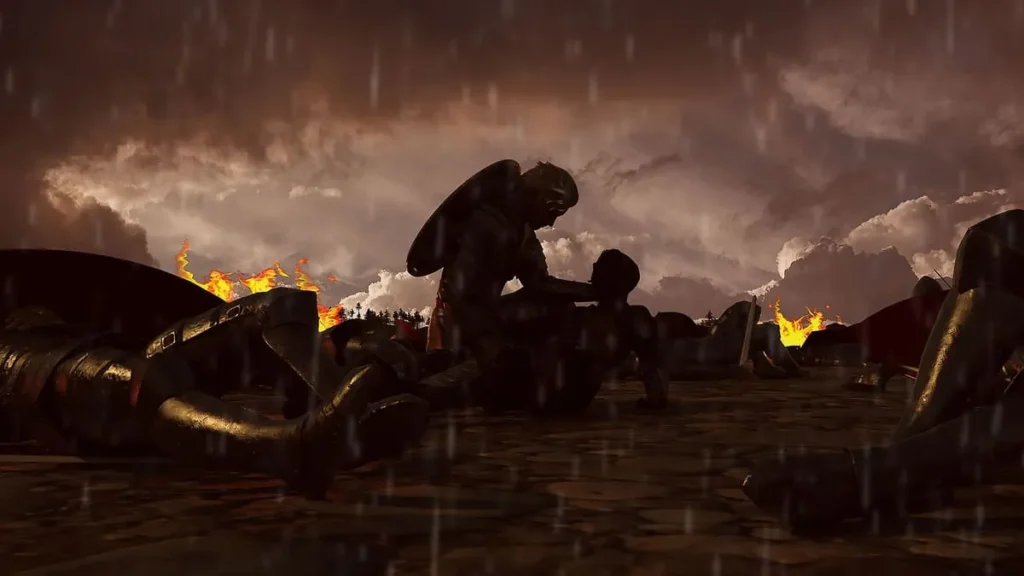

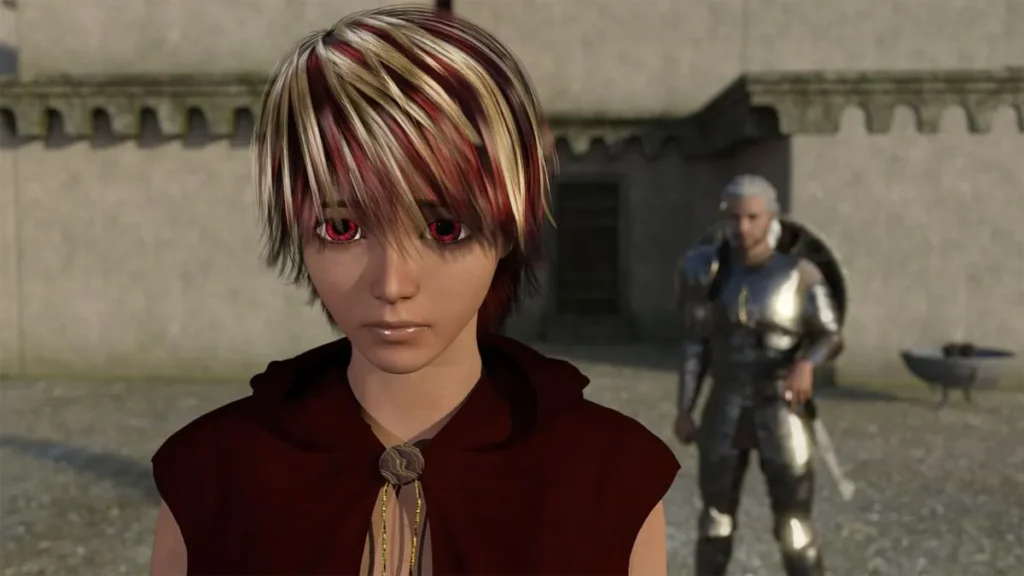
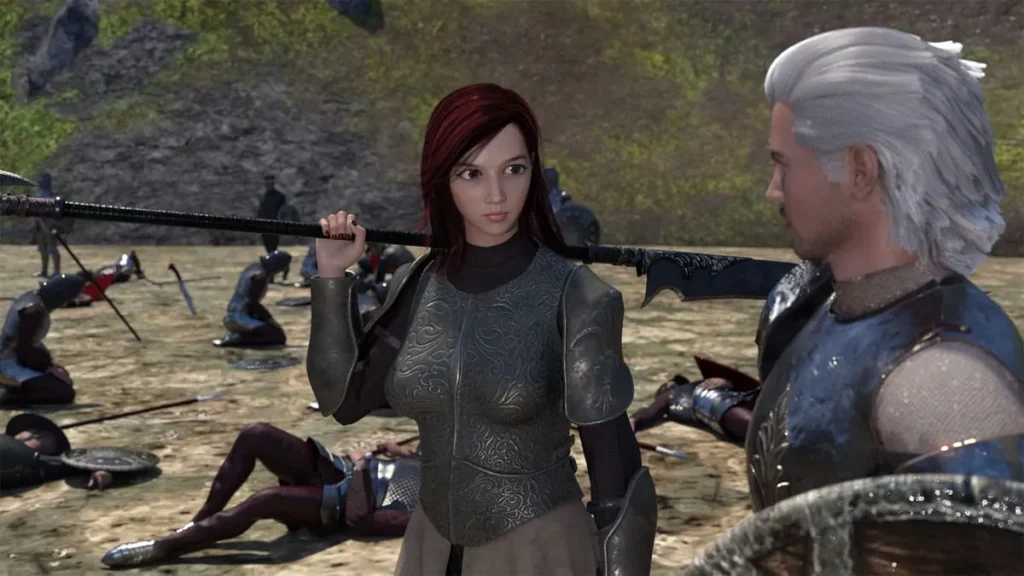
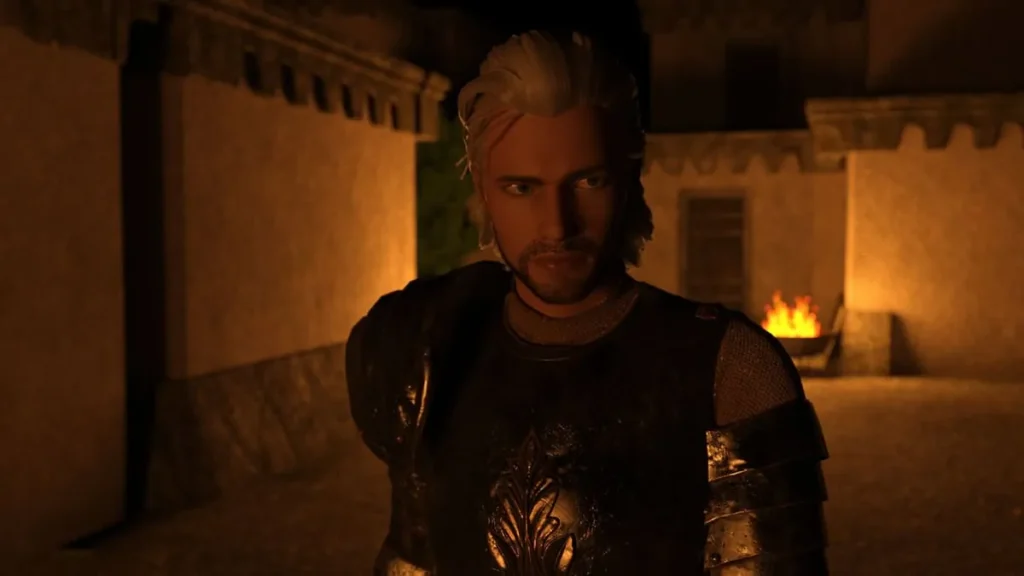

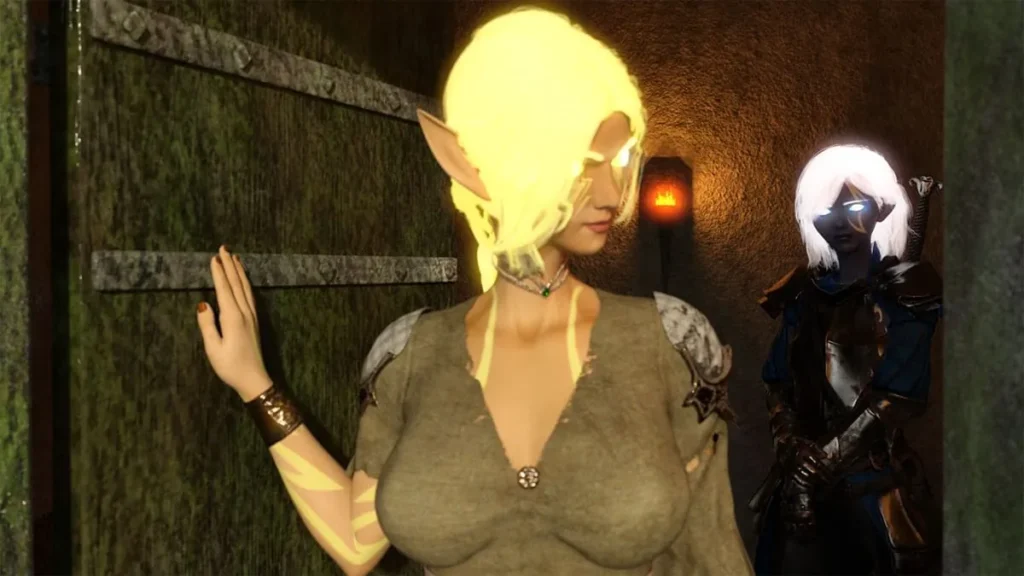
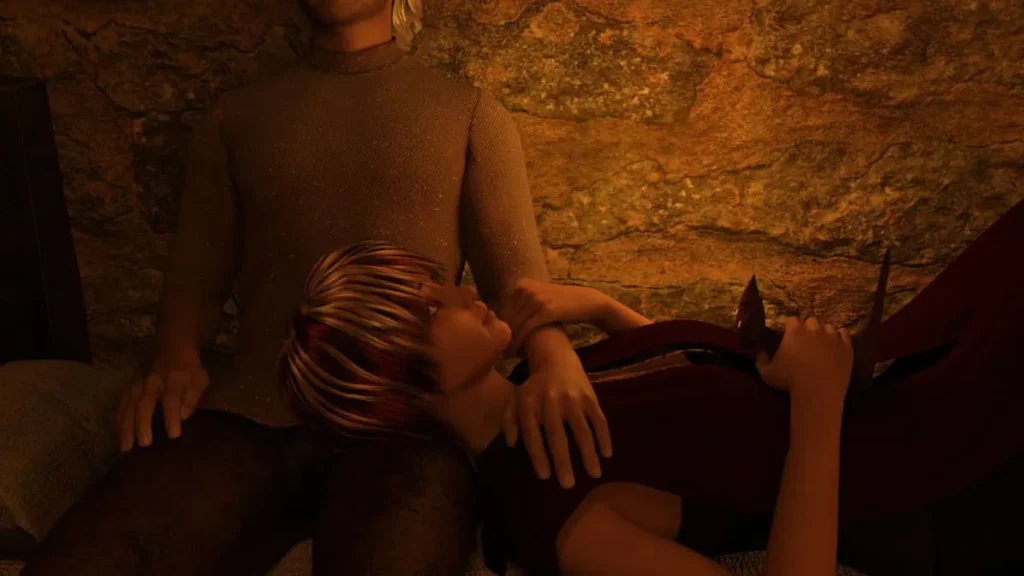
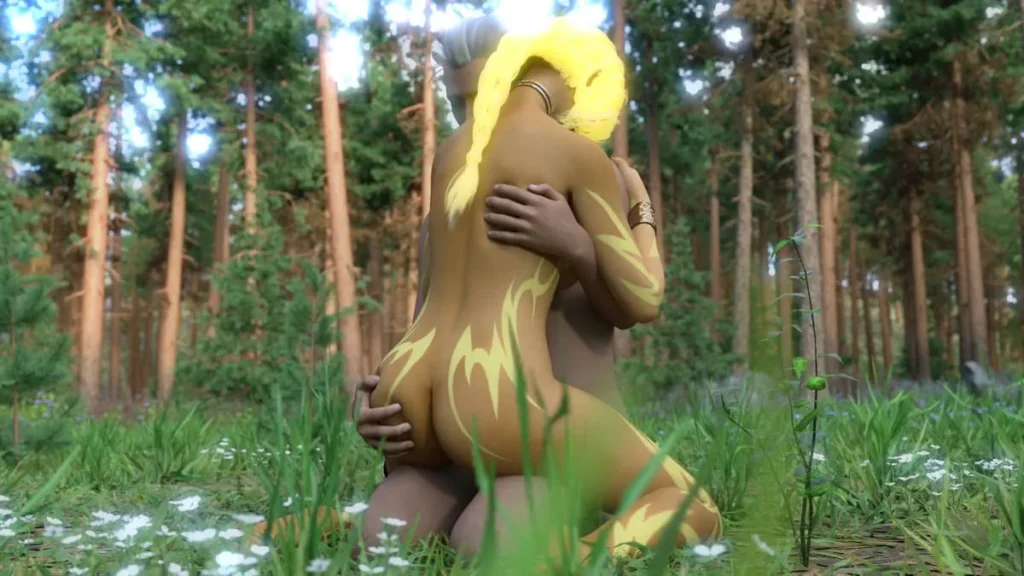
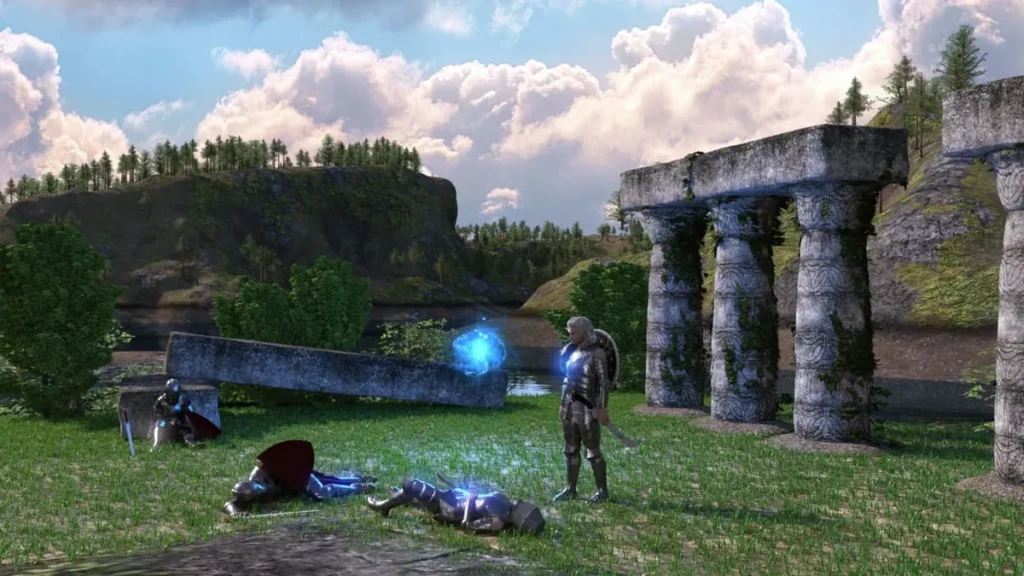
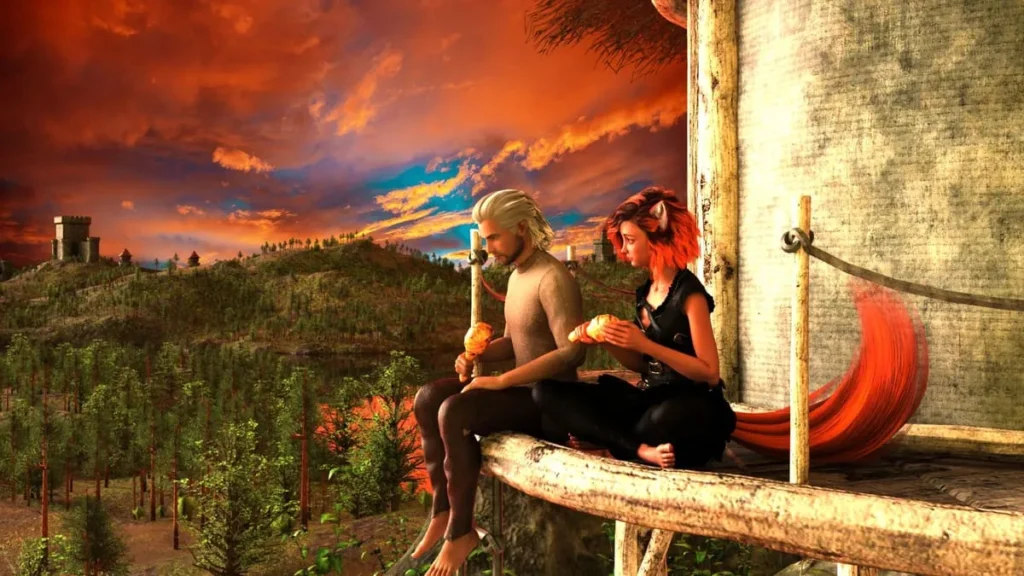
After the Inferno review
Dive into the spicy story, characters, and choices that make this game unforgettable
Imagine emerging from chaos into a world of passion and tough choices—that’s the thrill of After the Inferno. This spicy visual novel hooked me from the first scene, blending deep storytelling with animated intimate moments that feel integral to the journey. As Devran, you’ll navigate relationships, lore-rich locations, and moral dilemmas in a post-inferno setting. Whether you’re here for the narrative depth or the optional steamy encounters, I’ve got your back with personal tips from my playthroughs. Let’s explore why this game stands out in the visual novel scene and how to make the most of it.
What Makes After the Inferno a Must-Play Visual Novel?
I have to confess something. I found After the Inferno during one of those bleary-eyed, 2 AM “just one more game” scrolling sessions. 🥱 Based on the store page visuals, I braced myself for a simple, straightforward experience. What I got instead was a narrative punch to the gut that kept me awake for hours, completely invested in a world far richer than I ever anticipated. This visual novel with intimate scenes is so much more than its spicier moments—it’s a masterclass in world-building and character-driven choice. If you’re wondering what is After the Inferno about and why it’s generating buzz, let me pull back the curtain on what makes it a must-play.
Unpacking the Core Storyline and Setting
So, what is After the Inferno about at its heart? You step into the worn boots of Devran After the Inferno, a former scholar and soldier reeling from a catastrophic event known only as “the Inferno.” This isn’t a story about saving the world from the start; it’s about saving yourself and finding your place in the ashes of a broken society. The After the Inferno story is a personal journey of trauma, rediscovery, and fragile alliances, set against a backdrop of political intrigue and mystical remnants.
The game shines by making its setting a character itself. As you explore decaying cities and contested borderlands, you unlock entries in the After the Inferno codex lore. This isn’t just filler text! 🗺️ It’s a living document detailing the complex histories, rival religions, and cultural tensions that define every interaction. Want to understand why a character distrusts the Church of the Dawn? The codex provides context that makes your dialogue choices feel weighty and informed.
This depth is the main reason it stands tall among the best visual novels 2025 has to offer. Here are the top 5 reasons its story outperforms the typical “spicy VN”:
- Emotional Depth Over Shock Value: The plot is driven by character motivations and political consequences, not just romantic entanglements.
- Meaningful Branching Paths: Choices alter relationships and plot trajectories significantly, not just the final scene.
- Lore as a Gameplay Mechanic: Understanding the codex can unlock special dialogue options and story paths.
- A Protagonist with a Past: Devran isn’t a blank slate; his established history creates immediate internal conflict.
- Replayability for New Story: Different choices don’t just change an ending—they can change the middle of the journey entirely.
Why the Animated Intimate Scenes Shine
Let’s address the pixelated elephant in the room. Yes, After the Inferno features animated intimate scenes. But here’s the crucial, game-changing detail: they are fully optional and designed to enhance character bonds, not replace them. 🔥 You are never locked out of major story progress for choosing to skip a scene. Instead, these moments act as narrative punctuation—a voluntary deepening of a connection you’ve built through conversation, trust, and shared trials.
The writing here is surprisingly witty and self-aware, which prevents moments from feeling gratuitous. I nearly choked on my drink at one line early in a character’s route. While flustered and trying to justify a situation, Devran blurts out:
“It’s for research, it’s not sexual!”
The humor feels authentic and human, breaking tension and making the characters feel more real. These scenes are earned. You don’t get them by picking obvious “flirt” options repeatedly; you unlock them by understanding a character’s fears, respecting their boundaries, and supporting their goals. It’s a system that rewards genuine engagement, making the payoff, should you choose it, feel significantly more impactful.
Player Choices: How They Shape Your Journey
This is where the After the Inferno visual novel truly separates itself from the pack. Your choices don’t just nudge a “affection meter” in the background. They actively reshape Devran’s personality, his relationships, and the political landscape around him. Playing as Devran After the Inferno means deciding: is he a cynical survivor clinging to the past, or a hopeful leader trying to forge a new future? The game remembers your minor ethical decisions, and they echo in later conversations.
On my first playthrough, I was diplomatic and sought alliances. On my second, I was ruthlessly pragmatic, trusting only myself. The difference wasn’t just an ending slide; entire side-plots unfolded differently, characters who were once allies became wary strangers, and the After the Inferno story took on a completely new tone. This incredible branching is a core argument for its place in any conversation about the best visual novels 2025.
My top practical advice? Abuse the save slot feature. Save before every major decision, and title your saves descriptively (e.g., “Before the Market Vote” or “Pre-Temple with Kael”). It turns a single playthrough into a laboratory for storytelling experimentation.
To show just how divergent paths can be, here’s a look at how key choices can steer the narrative:
| Major Story Junction | Choice A Path | Choice B Path |
|---|---|---|
| The Council’s Request | Aligns you with the established political powers, unlocking city-based resources and missions. | Side with the outsider factions, gaining access to black-market contacts and forbidden lore. |
| Kael’s Secret | Confront him immediately, testing loyalty but potentially creating a firm, honest alliance. | Keep his secret, building unspoken trust but allowing potential future complications to fester. |
| Handling the Relic | Surrender it to the authorities, gaining public favor but losing a powerful personal tool. | Keep it hidden, risking persecution but maintaining control over a key story element. |
The emotional payoff of seeing your unique journey culminate is immense. Whether you find a bittersweet resolution or a hard-won happy ending, it feels yours. This level of narrative agency, woven into the rich tapestry of the After the Inferno codex lore, is simply exceptional.
In my opinion, After the Inferno is the perfect package for story lovers who enjoy their narratives with a side of spice. 🌶️ It respects your intelligence, rewards your curiosity, and isn’t afraid to let your decisions truly matter. It proves that a visual novel with intimate scenes can have profound depth, making Devran After the Inferno‘s journey one of the most compelling and unforgettable interactive stories you’ll experience this year.
After the Inferno isn’t just another visual novel—it’s a captivating blend of story, choices, and optional passion that kept me replaying for days. From Devran’s journey through lore-packed worlds to those pivotal relationship moments, it delivers depth that lingers. My playthroughs showed how smart saves and bold decisions unlock the best paths, turning a simple play into an epic tale. If you’re craving narrative with a spicy edge, grab it now, experiment with mates, and dive into the codex for hidden gems. Trust me, you’ll emerge transformed— what’s your first choice going to be?