Innocent Witches
Play Innocent Witches
Innocent Witches Screenshots
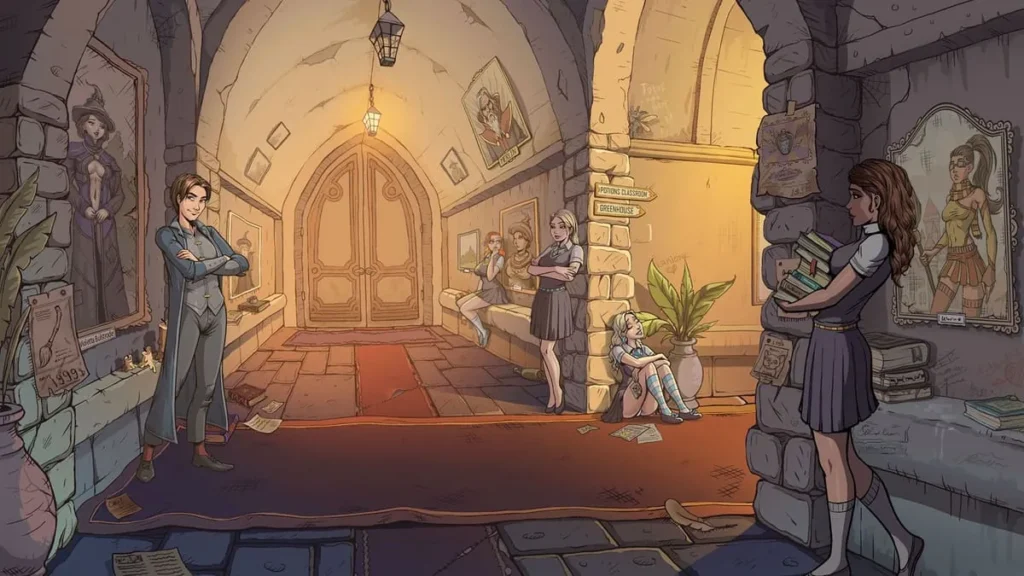
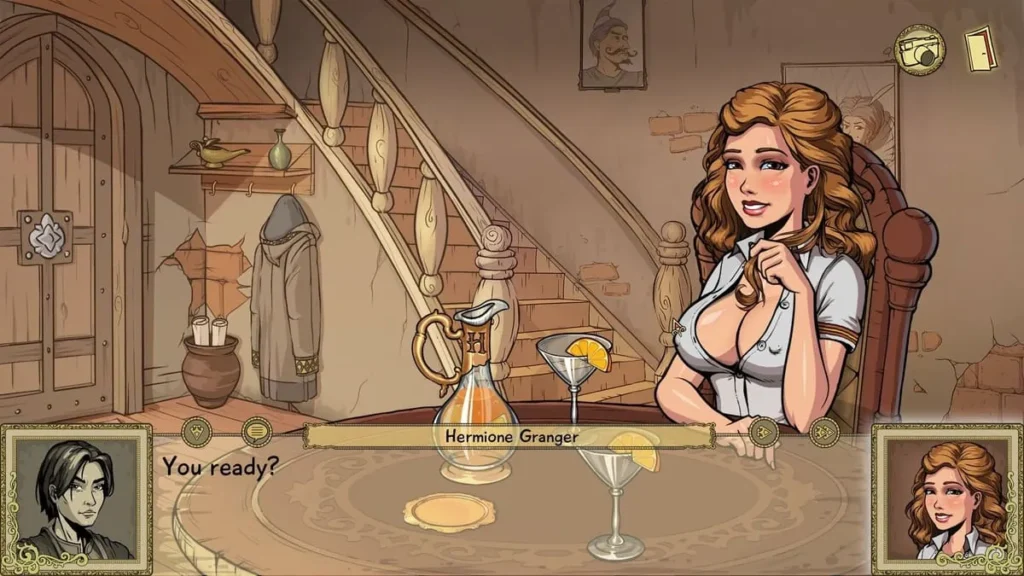
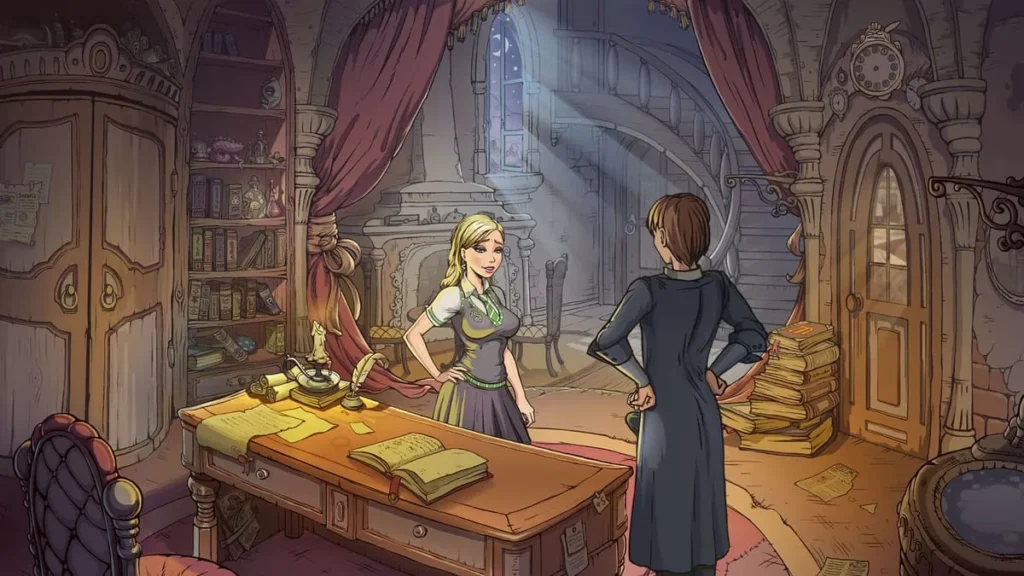
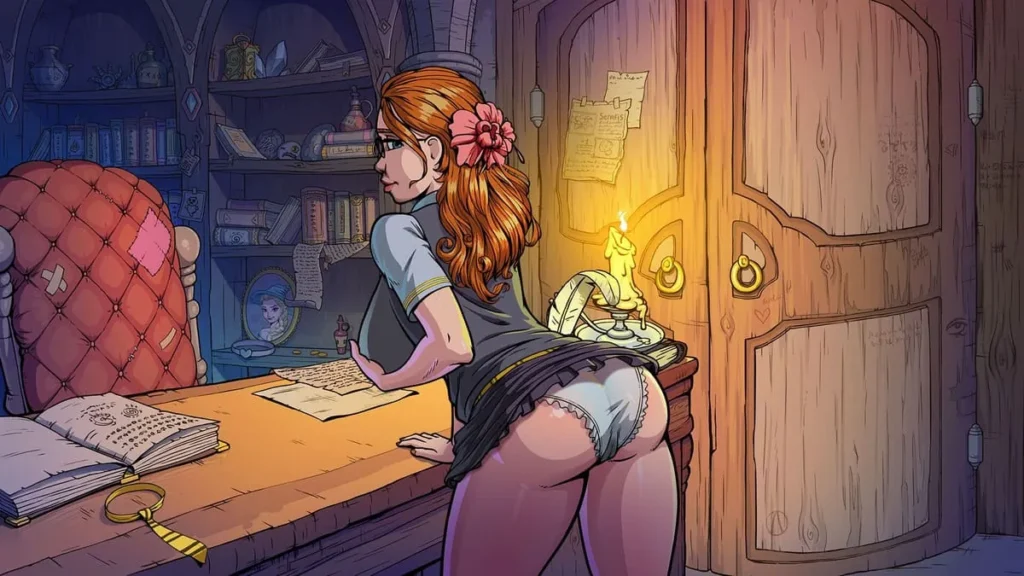

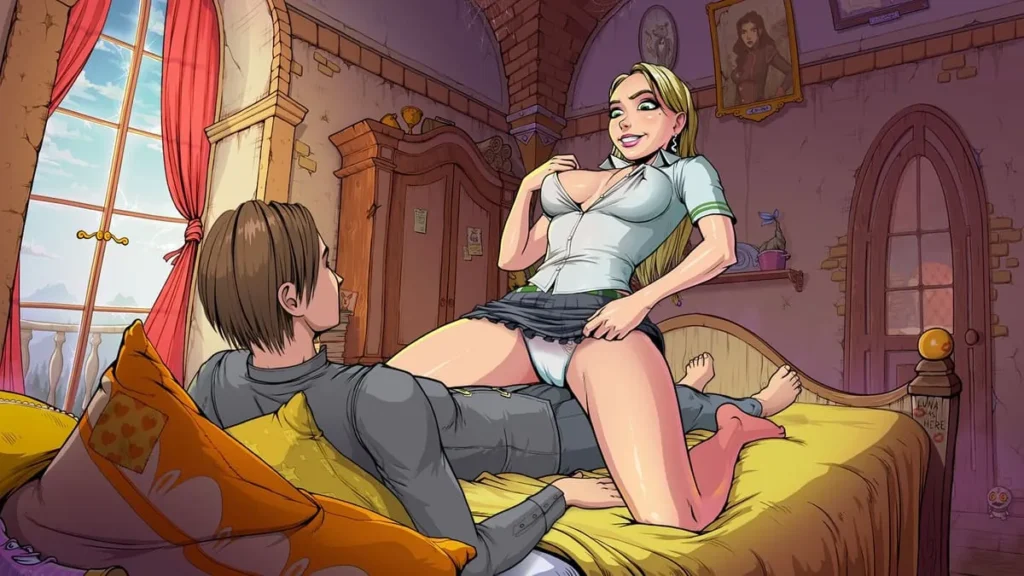

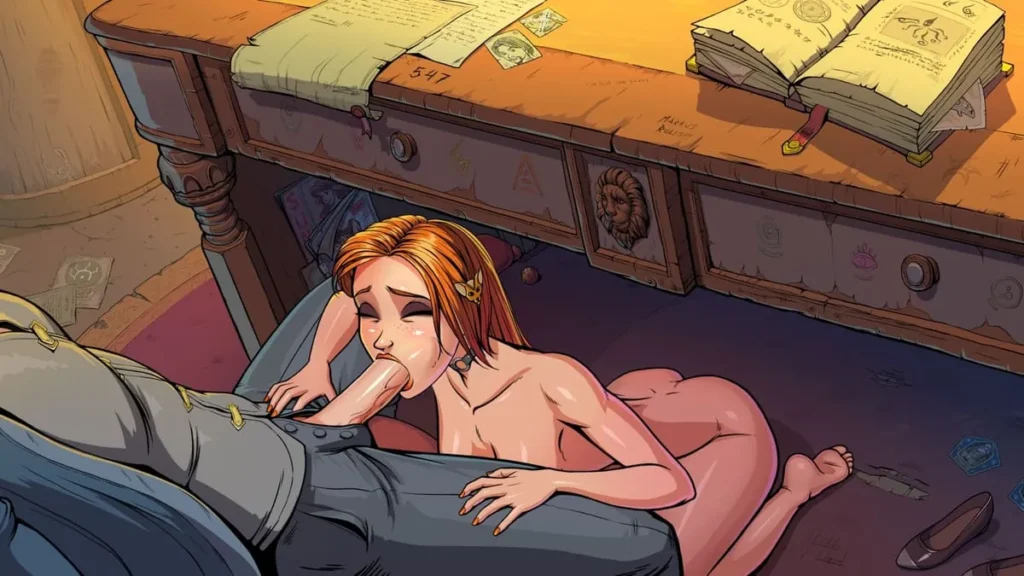
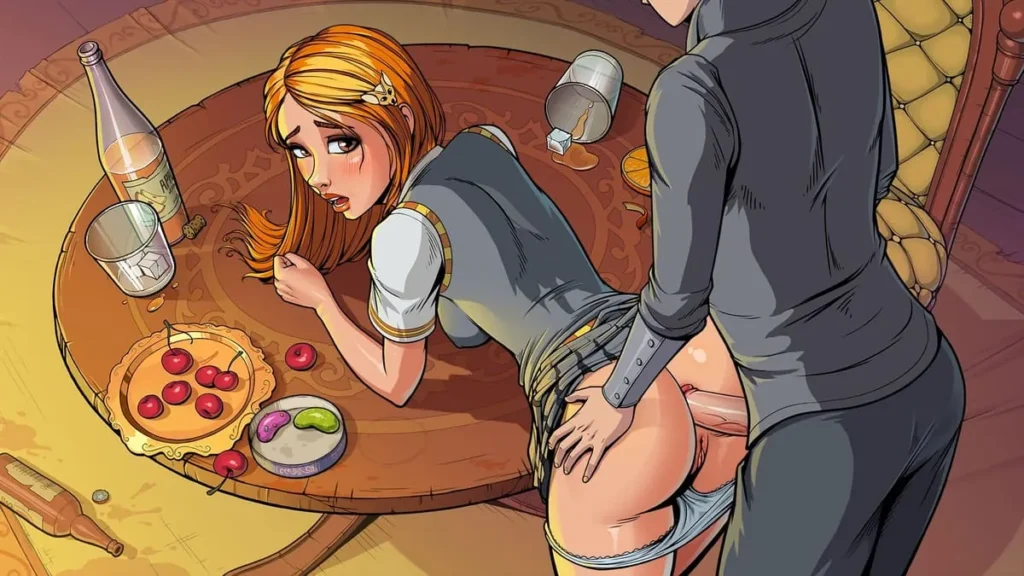
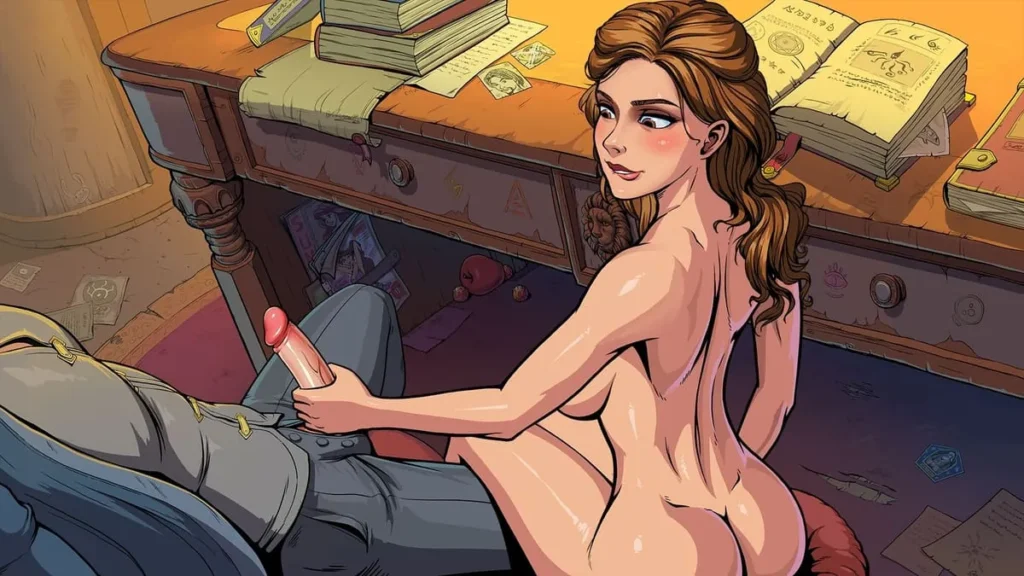




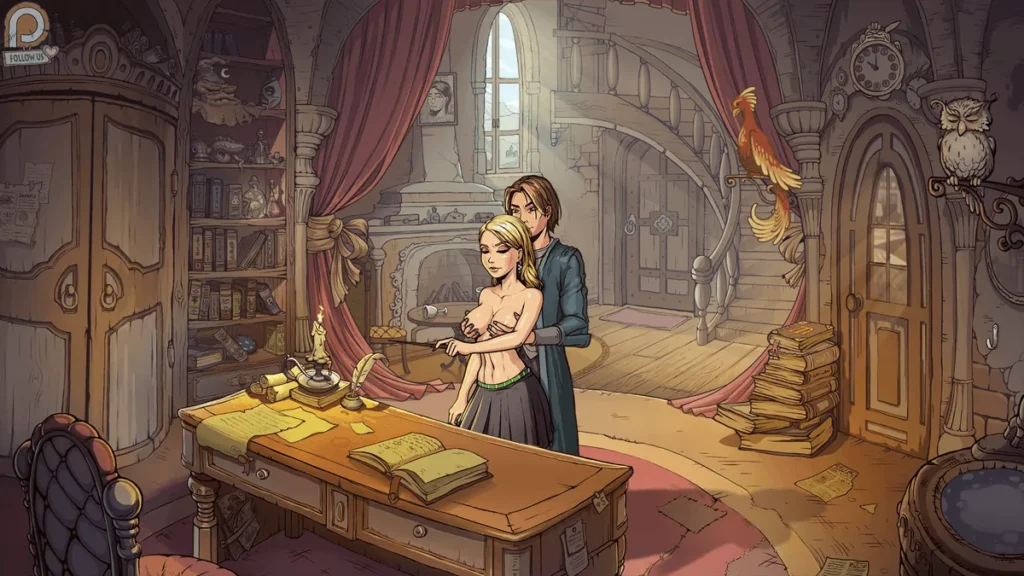
Innocent Witches review
Explore the magical school simulation with branching storylines and character interactions
Innocent Witches is a school simulation role-playing game developed by Sad Crab Company that combines magical fantasy elements with interactive storytelling. Set in a mystical academy, the game offers players a unique experience where their choices directly shape character relationships and story outcomes. With its multi-branched narrative system, anime-style graphics, and rich character interactions, Innocent Witches delivers substantial replay value. Whether you’re interested in exploring different plot paths, understanding game mechanics, or discovering character storylines, this comprehensive guide covers everything you need to know about navigating this immersive magical world.
Understanding Innocent Witches: Game Overview and Core Features
Ever find yourself daydreaming in class, wishing your school days were filled with a little more… magic? ✨ I know I did. Most school simulation role-playing games offer a slice of life, but what if you could combine that with ancient spells, mysterious artifacts, and student witches with secrets? That’s the exact enchanting itch that the Innocent Witches game was created to scratch.
Developed by the creative minds at Sad Crab Company, this isn’t your typical visual novel. It’s a deep, immersive adventure set within the halls of Hogwarts (though under a different name for copyright reasons, of course 🏰). You step into the shoes of a new student, but the path you walk is entirely your own. This is a world where every conversation, every hidden corner explored, and every choice you make weaves the unique tapestry of your story. Forget linear plots; here, you are the author.
So, grab your wand and your schedule. Let’s dive into what makes this magical academy gameplay experience so captivating and unique.
What Makes Innocent Witches Unique in School Simulation Gaming
At its heart, the Innocent Witches game is a masterful blend of two beloved genres. On one hand, you have the familiar routines and social hurdles of a school simulation role-playing title: attending classes, exploring the castle, and managing your time. On the other, you’re plunged into a rich narrative full of magical mysteries, dark conspiracies, and personal quests. The genius lies in how these elements feed into each other. Succeeding in a Potions class might give you a crucial item for a side quest, while building a relationship with a fellow student could unlock a whole new multi-branched storyline you’d otherwise miss.
I remember starting my first playthrough, thinking I’d just follow the main story. I quickly learned that’s not how this world works. During a seemingly routine exploration of the library’s restricted section, I stumbled upon a hidden note that kicked off a side arc about a lost family heirloom. That arc then dramatically altered my interactions with a specific character later on. The game constantly rewards curiosity.
What truly sets it apart is the sheer weight of branching narrative choices. This isn’t about picking “Good” or “Evil” dialogue options at key moments. It’s a web of subtle decisions: Do you help this character with their problem, or do you prioritize your own studies? Do you share a discovered secret or keep it to yourself? The game tracks it all, and these choices don’t just affect a character’s opinion of you—they can change plot events, open or close entire story paths, and lead to dramatically different endings.
Here are the key gameplay features that form the backbone of the experience:
- Living World Schedule: Time passes, classes happen, and characters have their own routines. You choose how to spend your days and nights.
- Relationship Depth: Every major character has a loyalty or affection meter, but it’s not just a number. It’s a reflection of shared history and choices made together.
- Skill & Stat Progression: Your character improves in magical and personal skills, often opening new dialogue and interaction options.
- Exploration-Driven Story: Critical plot points and secrets are often found by poking around where you maybe shouldn’t be. 🗺️
- Consequence-Based Narrative: The game has a long memory. A choice in Chapter 2 might come back to help or haunt you in Chapter 6.
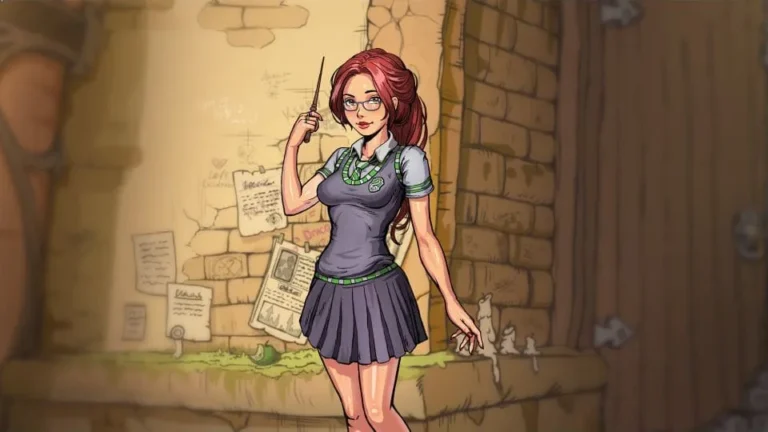
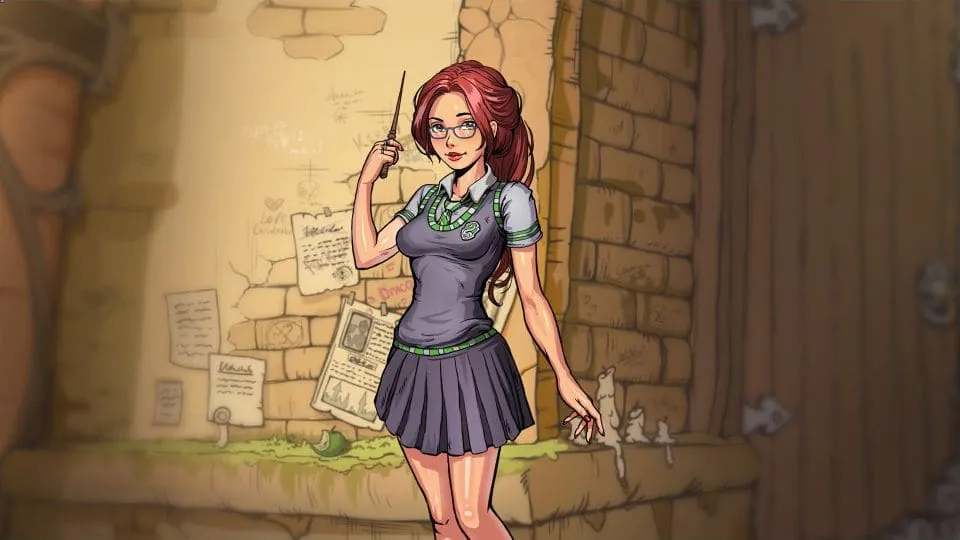
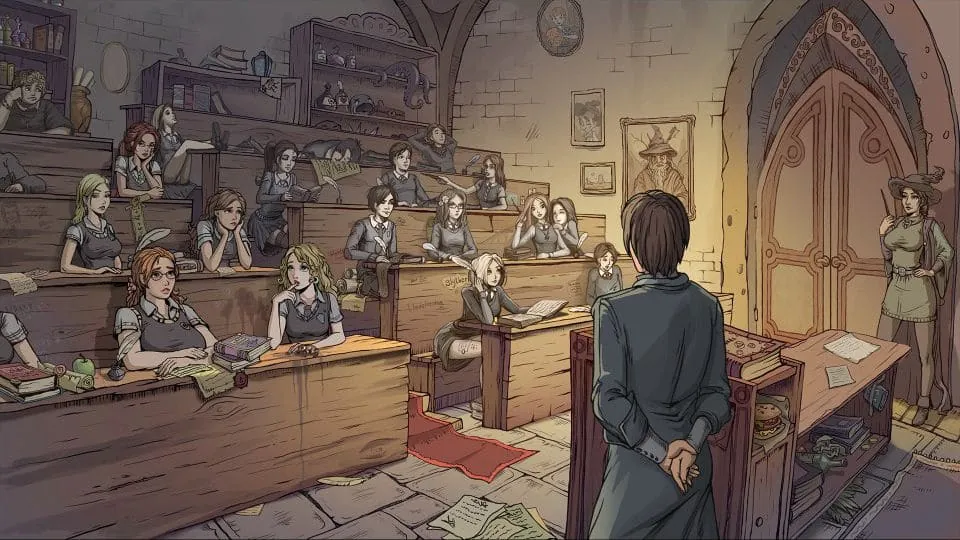
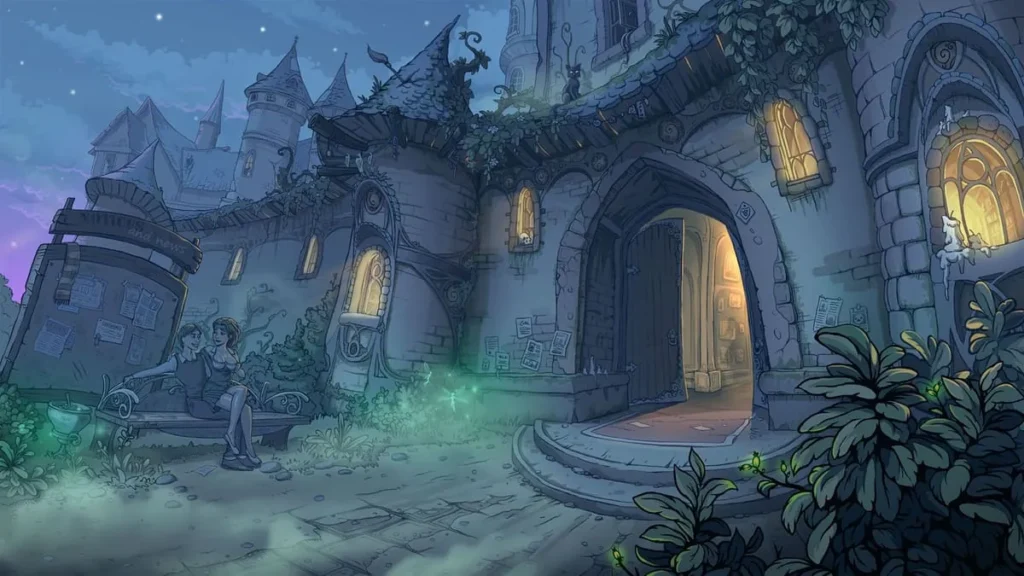
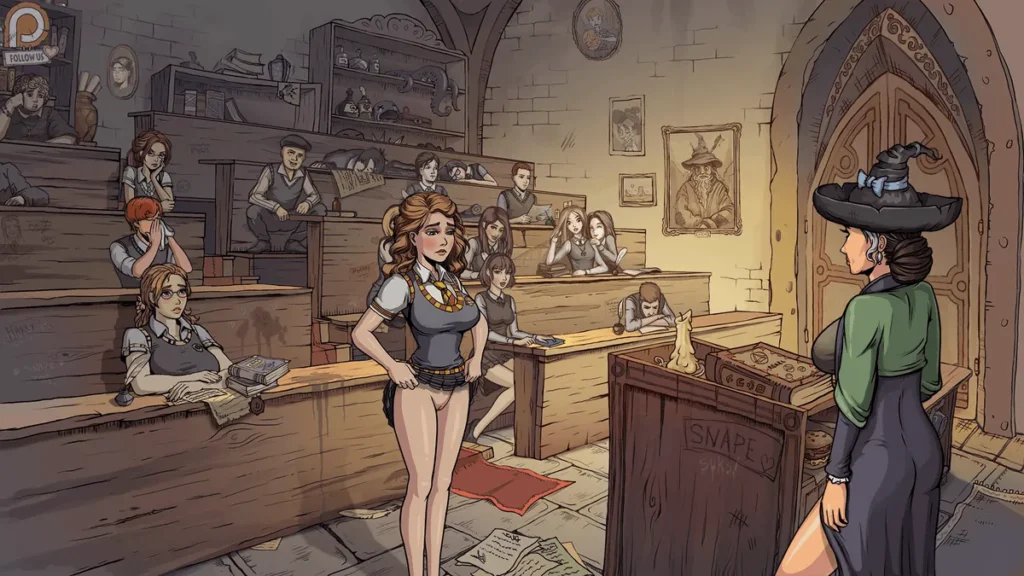
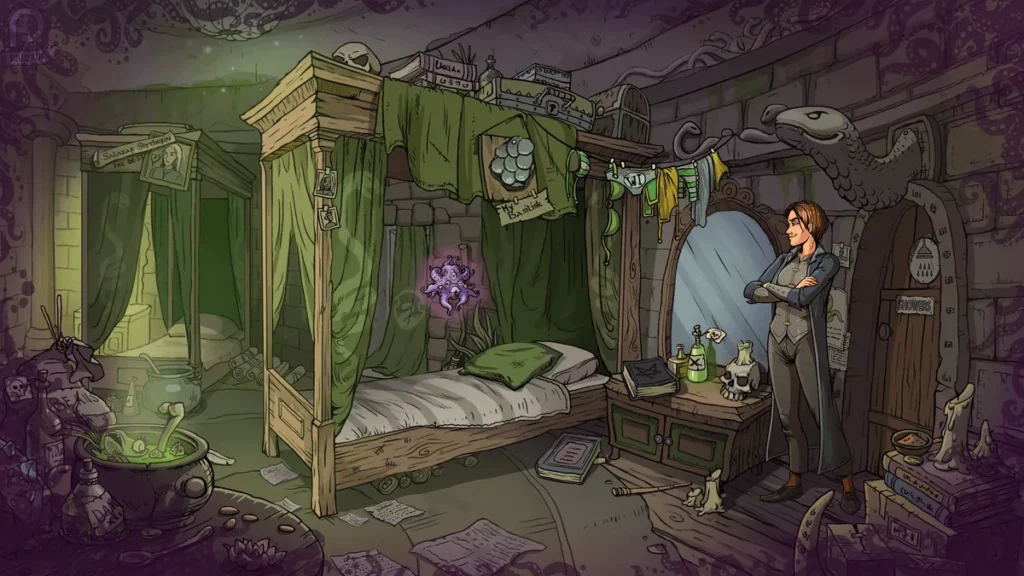
The visual and audio presentation completes the immersion. The game uses beautiful 2D anime-style graphics, with expressive character designs that make each witch and wizard feel distinct. The magical school setting is rendered with loving detail, from the cozy common rooms to the eerie, forbidden corridors. Paired with a soundtrack of enchanting, fantasy-themed music and crisp sound effects, it’s easy to lose hours in this world.
Multi-Branched Storyline System and Player Choice Impact
This is where the Innocent Witches game truly shines and demands your attention. Forget the idea of a single, fixed story. Think of the narrative as a vast, magical tree with countless branches. Your journey from the first day of school to the end-of-year events is guided by a multi-branched storyline system of incredible depth. The branching narrative choices you make are the magic that shapes this tree.
Let me give you a personal case study. In one playthrough, I decided my character would be a diligent, rule-abiding student. I focused on classes, avoided trouble, and was generally polite but distant. This led me down a path where I uncovered a central conspiracy through academic research and teacher trust. In another, I played a charismatic troublemaker, sneaking out at night and bending rules. That version of the story had me learning secrets from other students and discovering hidden passages, solving the same core mystery but through a completely different set of events and allies. The destination was similar, but the journey? Utterly different.
The system works on both macro and micro levels. On a macro level, you can literally choose which major plot thread to pursue at the start of a new game. The available public versions (like 0.8.5B and 0.9.1B) and the more extensive Patreon builds offer different central narratives focused on different characters or events. This isn’t just a “New Game+” feature; it’s a fundamental design choice that emphasizes replay value. Starting a new game feels like opening a different book in the same amazing library.
Pro Tip: Don’t be afraid to save often and experiment with choices! Some of the most interesting, heartbreaking, or hilarious scenes come from “what if” decisions. There’s no single “right” way to play.
On a micro level, every day is filled with small decisions that accumulate. Helping a character study might lock you into their personal story arc. Choosing to explore the Forbidden Forest one night might cut off your chance to attend a secret party in the dungeons. The game’s character interaction system is directly tied to this; your relationships are the primary vehicle through which these narrative branches grow. The plot progresses through distinct acts and chapters, but the content within them is fluid, shaped by your previous actions.
Character Development and Relationship Building Mechanics
If the multi-branched storyline is the tree, then the characters are its roots and vibrant leaves. The Innocent Witches game boasts a character interaction system that is surprisingly complex and deeply rewarding. Each character you meet—from your potential romantic interests to your rivals and professors—is crafted with a unique personality, backstory, goals, and flaws. They are not static quest-givers; they feel like real people navigating their own years at a magical academy.
Building a relationship is a delicate, multi-stage process. It begins with simple introductions and frequent conversations to build familiarity. But to truly deepen a bond, you must engage with their personal world. This involves:
* Remembering Details: They mention a favorite sweet, a fear, or a family problem. Bringing it up later shows you care.
* Making Choice-Aligned Decisions: A character who values bravery will respect risky actions, while one who values cunning will appreciate clever schemes.
* Completing Personal Quests: Each character has a series of personal missions that delve into their history and motivations. Helping them is the fastest way to build trust and unlock their unique story arc.
I learned this the hard way with one particularly standoffish character. No amount of small talk worked. It was only when I stumbled upon a clue related to their missing sibling during an unrelated task and presented it to them that the walls came down. It triggered a whole exclusive side story that became one of the most memorable parts of my playthrough. This is the core of the magical academy gameplay: the magic is often in the connections you forge.
The school simulation role-playing elements are the perfect framework for this. You have to manage your time between classes, homework, exploration, and socializing. Want to get closer to someone? You might need to skip exploring the grounds to meet them in the common room for a chat. This time-management layer adds a strategic touch to relationship building.
Your own character develops too. As you study, your magical and intellectual stats increase. As you socialize, your charm or empathy might grow. These stats often gate certain interactions or dialogue options, making your build a part of your role-playing identity. A character with high intelligence might solve a puzzle to avoid a conflict, while one with high strength might brute-force their way through.
As mentioned, the journey you experience is also shaped by the version of the game you play. The developers at Sad Crab Company release public builds for everyone, while supporters on Patreon gain access to more frequent updates and expanded content, including different main plot avenues. Here’s a quick comparison to clarify:
| Version Type | Example Version Numbers | Key Features & Plot Access |
|---|---|---|
| Public Release | 0.8.5B, 0.9.1B | Stable, polished builds with one primary main plot thread available. Great for starting your adventure. |
| Patreon Release | Newer builds (e.g., 0.10, 0.11) | Early access to new content, often including alternate main story paths, more scenes, and expanded character interactions for supported characters. |
Ultimately, the Innocent Witches game from Sad Crab Company offers a rare kind of freedom. It’s a school simulation role-playing experience where your branching narrative choices carry tangible weight, where the character interaction system requires genuine engagement, and where the magical academy gameplay loop of explore, interact, and decide becomes wonderfully addictive. It’s a world that doesn’t just tell you a story—it lets you live, shape, and ultimately author your own within its enchanted walls. Your magical education awaits. Are you ready to choose your path?
Innocent Witches stands out as a compelling school simulation that prioritizes player agency and replayability through its multi-branched narrative system. The combination of character-driven storytelling, meaningful choice mechanics, and engaging gameplay systems creates an experience that rewards exploration and experimentation. Whether you’re drawn to the intricate relationship-building mechanics, the diverse character routes, or the freedom to shape your own story through your decisions, the game offers substantial depth for players seeking an interactive magical academy experience. With multiple versions available and the ability to experience different plot paths, there’s considerable content to discover across multiple playthroughs.