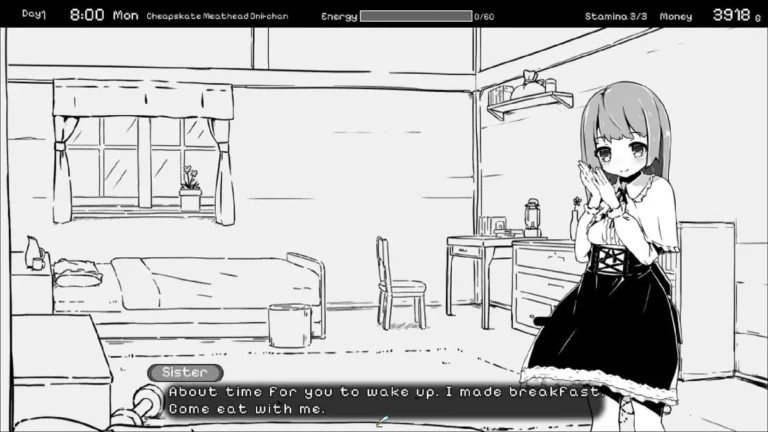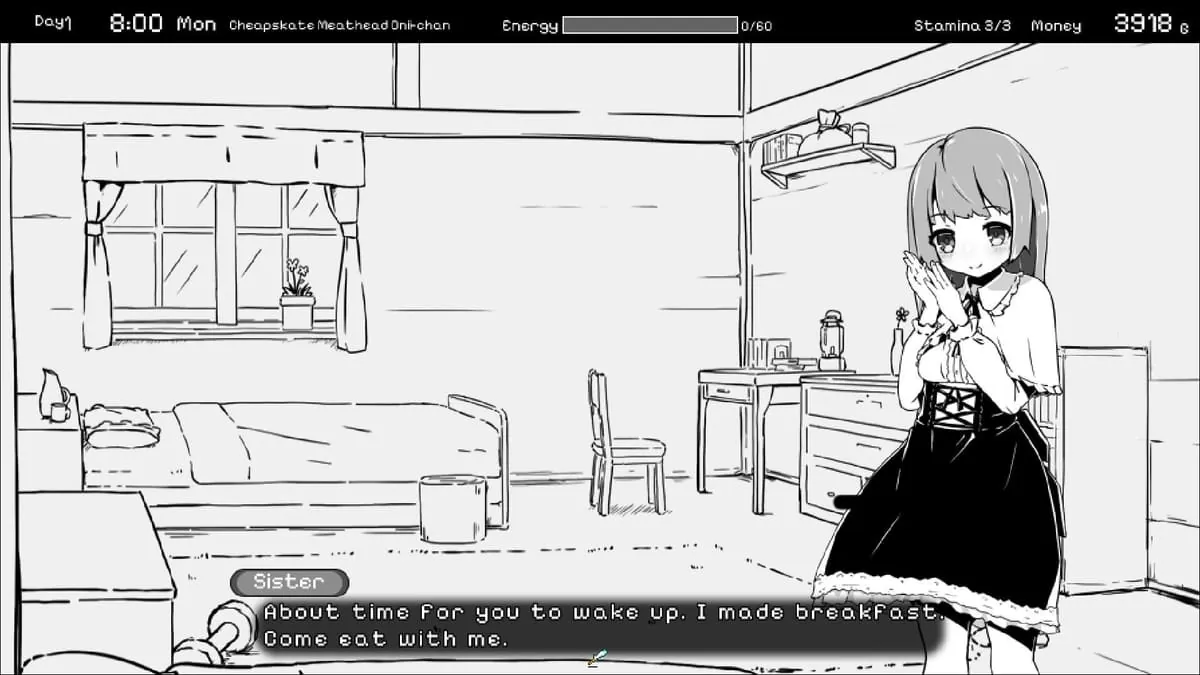
Living With Sister: Monochrome Fantasy Screenshots
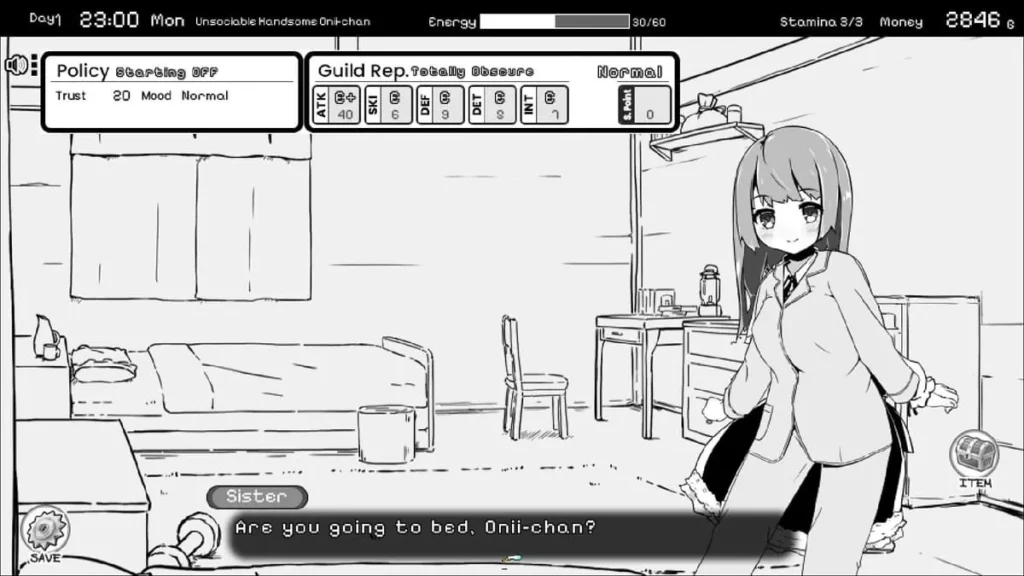
Living With Sister: Monochrome Fantasy review
Master gameplay mechanics, character relationships, and strategy tips for this unique simulation adventure
Living With Sister: Monochrome Fantasy is a distinctive simulation and adventure game that combines time management, character relationship building, and guild-based questing. Players take on the role of a protagonist caring for their sickly sister while pursuing adventuring dreams and working with the local Adventurers Guild. The game features a monochrome art style with engaging mechanics that reward strategic planning and relationship development. Whether you’re new to the game or looking to optimize your playthrough, this comprehensive guide covers everything you need to know about gameplay systems, character interactions, and progression strategies.
Understanding Living With Sister: Monochrome Fantasy Core Mechanics
Let’s be real—when you first boot up Living With Sister: Monochrome Fantasy, it can feel a bit overwhelming. 😅 You’re thrown into a charming, slightly melancholic world where you’re rebuilding a guild with your sister, and suddenly you’re managing a schedule, stats, relationships, and battles. I remember my first playthrough, I just clicked on everything that looked interesting and ended up with a game over because my guild fell apart! It was a classic case of not seeing the forest for the trees. But don’t worry, that’s why we’re here. Understanding the core mechanics is the difference between floundering and flourishing. Think of this guide as your friendly mentor, helping you master the beautiful, intricate clockwork that makes this time management simulation game tick.
At its heart, Living With Sister Monochrome Fantasy gameplay is a delicate balancing act. Your success hinges on how well you juggle three core pillars: your daily activities progression system, your resource and energy management, and the pivotal guild battles. Master these, and you’ll not only survive but unlock the rich narrative layers and multiple endings. Let’s break it all down.
How Daily Activities Shape Your Progress
Your life in the game is divided into a recurring weekly cycle. This structure is the backbone of your entire experience and the primary driver of the daily activities progression system. Each day is split into key segments: Daytime, Weekend (a special period), and Nighttime. What you choose to do in these slots directly builds your character’s stats, your relationship with your sister, and your guild’s strength.
During the Daytime, you’ll be at the guild. This is your primary window for grinding stats and earning money. You can take on quests from the board—these are your golden ticket for quest rewards stat increases. Completing a quest typically gives you a chunk of cash and a permanent boost to one of your core attributes like Strength, Intelligence, or Charisma. This is non-negotiable for progression; skipping quests will leave you too weak for the challenges ahead. You can also use this time to Train at the guild, which costs energy but provides smaller, reliable stat boosts.
The Weekend is your chance to head into town. This is where the simulation aspect truly shines. 🏙️ You can visit various locations like the market, the library, or the park. Each location offers unique activities that can restore your Energy, temporarily boost stats for the next week, or even trigger special events and story beats with your sister. Some of the most poignant and missable story moments are hidden behind these weekend excursions, so vary your visits!
Nighttime is for bonding. You’ll spend this time at home with your sister. You can Talk to her, which progresses your relationship and unlocks new dialogue and story events, or give her Gifts you’ve purchased in town. This relationship meter is absolutely critical, as it gates story progression and ultimately determines which of the game’s several endings you will achieve.
Here’s a quick overview of how a standard week is structured:
| Time Period | Available Activities | Primary Benefits & Key Notes |
|---|---|---|
| Daytime (Weekdays) | Guild Quests, Training, Resting | Earn money, permanent stat increases (**quest rewards stat increases**), build combat parameters. The core progression engine. |
| Weekend | Town Visits (Market, Library, Park, etc.) | Purchase items/gifts, find temporary buffs, restore Energy, trigger unique and missable story events with your sister. |
| Nighttime (Every Day) | Talk with Sister, Give Gifts, Rest | Increase relationship level, unlock narrative branches and character scenes. Essential for reaching different endings. |
The key takeaway? A balanced routine is best. Don’t just grind quests every single day, or you’ll burn through Energy and neglect your sister. Similarly, don’t just spend all your time chatting—your guild will fail its battles. This time management simulation game mechanics require you to be strategic with every choice.
Managing Resources and Time Effectively
If the daily schedule is the skeleton, then your resources are the lifeblood of Living With Sister: Monochrome Fantasy. Mismanage them, and your game will end prematurely. This is, at its core, a brilliant energy management simulation game. You have two primary resources: Energy and Money.
Energy dictates how many actions you can take each day. Most meaningful activities—completing quests, training, even some town actions—drain it. Once it hits zero, your only option is to Rest, which ends the day. Therefore, your entire strategy revolves around maximizing the value of each point of Energy. This is where items and facilities come in.
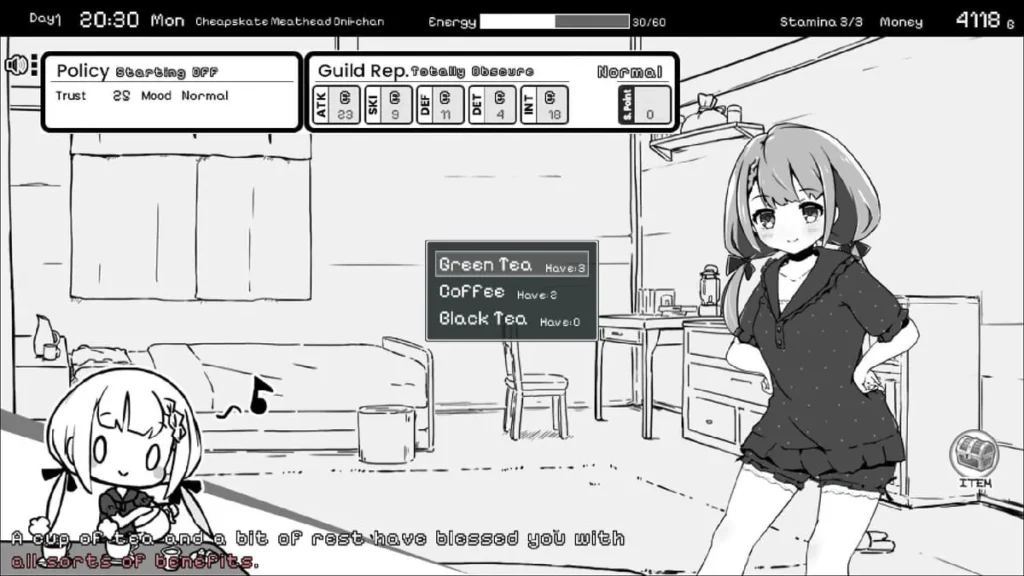
Early on, you have access to the Alchemy Tab in your menu. This lets you use herbs and materials (found from quests or in town) to craft potions. Basic Energy-restoring potions are a lifeline. Crafting them should be a regular habit. Furthermore, one of the very first investments you should make with your hard-earned cash is the Feathered Bed upgrade for your home. It’s not just a cosmetic change! This bed increases the amount of Energy you recover each night, effectively giving you more “action points” every single day. It is, without exaggeration, the best early-game purchase you can make.
Money is earned almost exclusively from completing guild quests. It’s used for buying gifts for your sister, purchasing recovery items in town, and buying key upgrades (like that bed!). My personal rule of thumb was to always keep a small financial cushion for emergencies, like needing to buy a healing potion right before a tough guild battle.
Speaking of items, don’t hoard them! Use your stat-boosting tonics before difficult activities, and always keep a few healing items on hand for combat. The game’s time management simulation game mechanics punish indecision and inefficient action. Planning your week in advance—”Okay, I’ll do two quests to get money, train once, then use the weekend to buy a gift and recover”—is the habit of a master player.
Pro Tip from Hard-Earned Experience: On my second playthrough, I prioritized buying the Feathered Bed immediately. The difference was night and day. I had so much more Energy to work with, which let me train more, complete extra quests, and still have time to talk with my sister. It completely transformed the pacing of the game from stressful to enjoyable.
To help you start strong, here are your essential early-game priorities:
- Priority #1: The Feathered Bed. Saves you Energy every day, compounding your efficiency.
- Priority #2: A Small Stock of Basic Healing Items. Don’t get caught in a guild battle with low health.
- Priority #3: One or Two Gifts for Your Sister. Jump-start that relationship meter early to unlock scenes.
- Priority #4: Save for Weapon/ Armor Upgrades. After the bed, better gear is the best combat boost.
- Avoid: Buying every dialogue option or cosmetic town item early on. Focus on functional upgrades first.
This careful energy management simulation game approach ensures you’re always moving forward, never wasting a precious day.
Guild Battles and Combat System Explained
Here’s where the tension peaks: Guild Battles. These are the ultimate test of your management skills and your primary progression gates. Lose too many, and it’s game over—your guild is disbanded. Understanding how to win guild battles is therefore not just a tip; it’s a requirement for seeing the story through.
Battles occur at set points in the story. When one triggers, you’ll enter a turn-based combat screen. You control your main character, while your sister fights alongside you (her actions are automated based on her stats and relationship level). The combat is straightforward but strategic: each turn, you select an action like Attack, Defend, or Use Item.
The outcome, however, is determined long before the fight begins. Your success is almost entirely dependent on your preparation—your character’s stats (raised through quests and training), your equipment (purchased with your quest earnings), and your sister’s combat prowess (which is influenced by your relationship with her). If you’ve neglected your daily activities progression system, you will simply be outmatched.
Here are my core guild battle strategy tips:
- Grind Stats Relentlessly: Before a known battle, focus on quests that increase your Attack and Defense. The permanent quest rewards stat increases are your best friend.
- Check Enemy Patterns: Early battles are simple, but later ones may have enemies weak to certain actions. If you have a high Intelligence stat, a “Magic Attack” might be better than a physical one.
- The “Defend” Command is Underrated: If your health is low and it’s not your sister’s turn to heal you, defending can be the difference between life and death. It significantly reduces damage for that turn.
- Manage Sister’s Morale: Your sister’s performance is tied to your relationship. A higher relationship means she attacks more effectively and heals you more often. Those nighttime conversations are a combat strategy!
- Don’t Be Afraid to Use Items: That healing potion you crafted or bought is useless in your inventory. Use it mid-battle to stay alive.
The most important guild battle strategy tip of all is consistency. You can’t cram for these exams. A steady, balanced approach to the Living With Sister Monochrome Fantasy gameplay loop—improving stats, earning money for gear, and deepening your bond—will make each battle manageable. If you find yourself losing, the solution is almost always to go back and engage more deeply with the core time management simulation game mechanics in the preceding weeks.
Remember, certain story adventures and choices are missable and can affect which endings are available. Often, completing a special side adventure will give you a powerful item or a significant stat boost that makes the next guild battle much easier. Explore, talk to everyone in town on weekends, and invest in your sister. The combat is the final exam, but your daily life is the entire semester of study.
By truly understanding these three interconnected systems—the daily schedule, resource management, and guild battles—you cease to be a passive player and become the master of your fate in this beautiful, haunting world. You’ll not only survive but thrive, uncovering all the narrative secrets and emotional depth that Living With Sister: Monochrome Fantasy has to offer. Now go on, plan your day, chat with your sister, and build a guild that will stand the test of time. 🏆
Living With Sister: Monochrome Fantasy offers a unique blend of simulation, relationship building, and adventure gameplay that rewards strategic thinking and careful planning. By understanding the core mechanics of daily activities, resource management, and guild battles, you can maintain steady progression while avoiding game overs. The relationship system adds depth to the experience, with multiple characters and branching paths that encourage multiple playthroughs. Success in the game comes from balancing your sister’s care with your adventuring ambitions, making smart early purchases like the feathered bed, and learning from mistakes through New Game+ playthroughs. Whether you’re pursuing a specific ending or simply enjoying the journey, the game’s monochrome art style and engaging mechanics create a memorable experience. Start with the foundational strategies outlined in this guide, experiment with different approaches, and discover your own optimal path through this distinctive simulation adventure.