Realm Invader
Play Realm Invader
Realm Invader Screenshots









Realm Invader review
Explore gameplay mechanics, story elements, and what makes this title unique
Realm Invader stands out as a distinctive interactive experience that blends multiverse storytelling with unconventional humor. The game follows a protagonist who finds himself transported across alternate realities, encountering magical systems and complex character relationships along the way. What sets this title apart is its commitment to comedic timing and narrative unpredictability, creating an experience that defies traditional genre expectations. Whether you’re curious about the game’s unique approach to storytelling, its character development, or what players are saying about their experience, this guide covers everything you need to know about what makes Realm Invader memorable.
Understanding Realm Invader’s Core Narrative and World-Building
So, you’ve booted up Realm Invader, ready to dive into an epic saga of interdimensional conquest and profound character growth. You brace yourself for a sweeping, solemn tale… and within minutes, you’re chuckling at a sarcastic quip about the nutritional value of magic potions. Welcome to the wonderfully off-kilter narrative world of this game. 🎭
If you’re asking what is Realm Invader about at its heart, it’s a story about a regular person thrown into the cosmic deep end. But the true magic lies not just in the where of its reality-hopping, but in the how of its storytelling. This isn’t your standard, self-serious fantasy epic. Instead, it builds a captivating narrative on a foundation of clever humor, complex bonds, and a multiverse storytelling game structure that keeps you perpetually off-balance in the best way possible. Let’s pull back the curtain on what makes this tale tick.
The Multiverse Premise and Reality-Hopping Mechanics
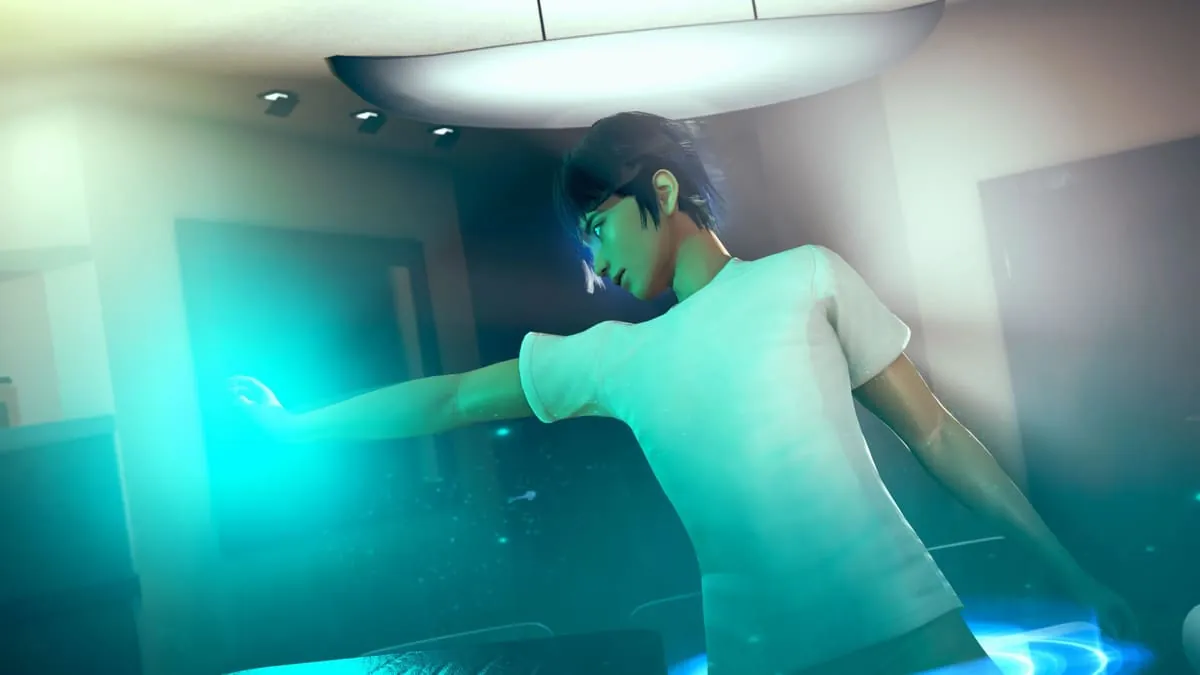
The core engine of Realm Invader’s narrative structure is its brilliant, chaos-friendly multiverse. You don’t just visit different worlds with slightly altered geography; you leap between entirely different narrative genres. One moment you’re in a high-fantasy realm negotiating with elf lords, the next you’ve tumbled into a neon-drenched cyberpunk cityscape, and later you might find yourself in a world ruled by sentient, bureaucratic cats. 🐱👑
This constant shifting is far more than a visual gimmick. It’s the primary driver of both plot and personal growth. The protagonist’s journey is less about choosing a destination and more about learning to surf the unpredictable waves of cosmic instability. Each jump resets certain social and physical rules, forcing you and your character to adapt constantly. This interactive fiction storytelling approach means your progress isn’t just measured in power levels, but in your growing understanding of the multiverse’s underlying, often absurd, logic.
I remember my first major realm-hop. I’d just spent hours mastering the arcane courtesies of a mystical empire, feeling like a diplomatic genius. The next jump dumped me into a spaghetti-western dimension where magic worked through quick-draw wand slinging. All my hard-earned etiquette was useless! It was hilarious and frustrating, perfectly teaching me the game’s core lesson: never get too comfortable.
This is where the magical learning system shines. Your guide, a weary, millennia-old being who has seen it all, doesn’t just teach you spells. They teach you context. Their lessons are about reading the fundamental “code” of a reality so you can hack it. This transforms the gameplay loop from simple questing into a fascinating exercise in applied existential science. The multiverse storytelling game framework ensures that no two playthroughs feel the same, as the sequence and nature of realities can introduce surprising variables.
This premise directly shapes the narrative pacing in games. Traditional stories have rising action, a climax, and a resolution. Realm Invader has rising action, a sudden shift to a musical dimension, a poignant character moment, a joke about the nutritional value of mana crystals, and then maybe a climax. It keeps you perpetually engaged because the next major turn—or laugh—is never more than one reality-hop away.
Character Relationships and Moral Complexity
At the center of this cosmic whirlwind is the relationship between the protagonist and their otherworldly mentor. This is where the game’s character relationship dynamics get fascinatingly messy. On paper, it’s a classic master-apprentice setup. In practice, it’s a tangled web of dependency, burgeoning affection, and a stark power imbalance that the narrative never lets you forget.
The mentor holds all the cards: knowledge, power, and control over your journey’s direction. You are, in many practical ways, at their mercy. The game brilliantly mines this setup for both tension and tenderness. One conversation might involve a genuine, vulnerable moment of shared fear, while the next reminds you of your “contractual obligations” in a way that feels chillingly transactional. This push-and-pull creates a romance that feels earned and fraught, rather than a foregone conclusion.
The writing forces you to question every kind gesture. Is it genuine affection, or a calculated move to ensure a useful tool remains compliant? This moral complexity elevates the story beyond simple fantasy wish-fulfillment.
“I went in expecting a fun power fantasy with a cute romance subplot,” one player shared in a community forum. “I wasn’t prepared to actually worry about my character’s agency, or to sit there after a sweet scene wondering if I was being manipulated. It made the connection feel dangerous and real in a way most game romances don’t.”
Other characters you meet across the multiverse are equally nuanced. A seemingly tyrannical warlord in one realm might be a revered protector in another, challenging you to see beyond your initial, dimension-limited perspective. Your actions in one reality can have echo effects in another, building reputations or rivalries that follow you. This creates a rich tapestry of character relationship dynamics where no one is simply “good” or “evil”—they are products of their unique, often bizarre, worlds.
The game uses your companions as anchors. As the very ground of reality shifts beneath your feet, these relationships become the constant, the emotional core that makes the craziness meaningful. You’re not just fighting for cosmic stability; you’re fighting for them.
How Humor Functions as a Narrative Tool
Now, let’s talk about the elephant in the multiverse: the jokes. Realm Invader’s game humor mechanics are not an occasional garnish; they are a central pillar of its narrative structure. This is a game that understands the power of a well-timed comedic beat to redefine a scene, endear a character, and, crucially, keep players glued to the dialogue.
The humor often acts as a deliberate pacing valve. Just as a scene threatens to become too saccharine, too melodramatic, or too tense, a character undercuts it with a witty observation or a slapstick mishap. It’s a masterclass in narrative pacing in games, preventing emotional fatigue and maintaining a lively, unpredictable rhythm.
But there’s a second, brilliantly sneaky layer to these game humor mechanics: they are a defense against the speed-reader. You know the habit—mashing the ‘skip’ button through dialogue to get back to the action. Realm Invader makes you want to slow down. The jokes are woven into the essential dialogue itself. Skip a line, and you might miss the punchline that recontextualizes the entire conversation, or the quirky world-building detail that makes the realm unique. The humor becomes a reward for engagement.
The most talked-about technique is the game’s expert subversion of expectations. It constantly sets up classic, trope-y scenarios only to gleefully dismantle them.
Example: After a grueling, multi-stage boss fight in a gothic cathedral, the fearsome vampire lord is finally defeated. The music swells, the camera pans dramatically. Your character and their mentor stand amid the fading dust, sharing a look of exhausted triumph. You lean in, anticipating a profound, maybe even romantic, story beat…
And the mentor immediately starts complaining about the vampiric dust getting into their robes, triggering a five-minute bit about interdimensional dry-cleaning costs. It’s hilarious, it’s humanizing, and it completely deflates the predictable pomposity of the moment.
This philosophy—prioritizing humor over traditional progression beats—creates a unique tone. The stakes of the plot remain high (entire realities are at risk!), but the journey there is filled with levity. It suggests that even in the face of cosmic absurdity, connection and laughter are not just escapes, but essential forms of resistance and sanity.
| Narrative Moment You Expect | How Realm Invader Plays It | The Narrative Effect |
|---|---|---|
| A solemn training montage | A series of comedic failures involving animated furniture and a very confused squirrel. | Shows growth through struggle without taking itself too seriously; builds mentor-student rapport. |
| A classic “confession of feelings” scene | The confession is interrupted by a minor dimensional glitch that makes both characters speak in rhyming couplets for an hour. | Delays the payoff, building anticipation while adding a shared, memorable funny experience to the relationship. |
| A villain’s grand, world-ending monologue | The villain keeps forgetting their lines, prompting their minions to hold up cue cards. | Undermines the villain’s gravitas, making them feel oddly relatable and even more frustrating to the protagonist. |
This approach won’t be for everyone. Some players might crave a more consistently dramatic tone. But for those who click with it, the game humor mechanics create a uniquely memorable experience. The jokes aren’t detours; they’re part of the path. They make the world feel lived-in and the characters feel real—people who cope with insane circumstances with wit as much as with weapons.
In the end, Realm Invader uses its multiverse storytelling game canvas to paint a picture that is both grand and intimate, epic and silly. Its narrative structure is a daring juggling act, balancing cosmic stakes with personal quirks, and complex character relationship dynamics with laugh-out-loud moments. It proves that a story can be about everything—literally, all of existence—without forgetting to be fun. By mastering its unique blend of interactive fiction storytelling and bold tonal shifts, it carves out a distinctive space where the journey is always surprising, and the next laugh is just one reality away. 😄✨
Realm Invader presents a bold approach to interactive storytelling that prioritizes comedic timing and narrative unpredictability over conventional progression. The game’s foundation rests on a multiverse premise that allows for creative world-building, while its character dynamics introduce meaningful moral questions about power and autonomy. What truly distinguishes this title is how it weaponizes humor as a narrative device, using well-timed jokes to subvert player expectations and maintain an unpredictable tone throughout the experience. Whether you appreciate unconventional storytelling or seek something different from standard narrative games, Realm Invader offers a distinctive experience worth exploring. If you’re considering diving into this game, approach it with an open mind about its unique blend of serious themes and comedic interruptions.