Star Periphery
Play Star Periphery
Star Periphery Screenshots









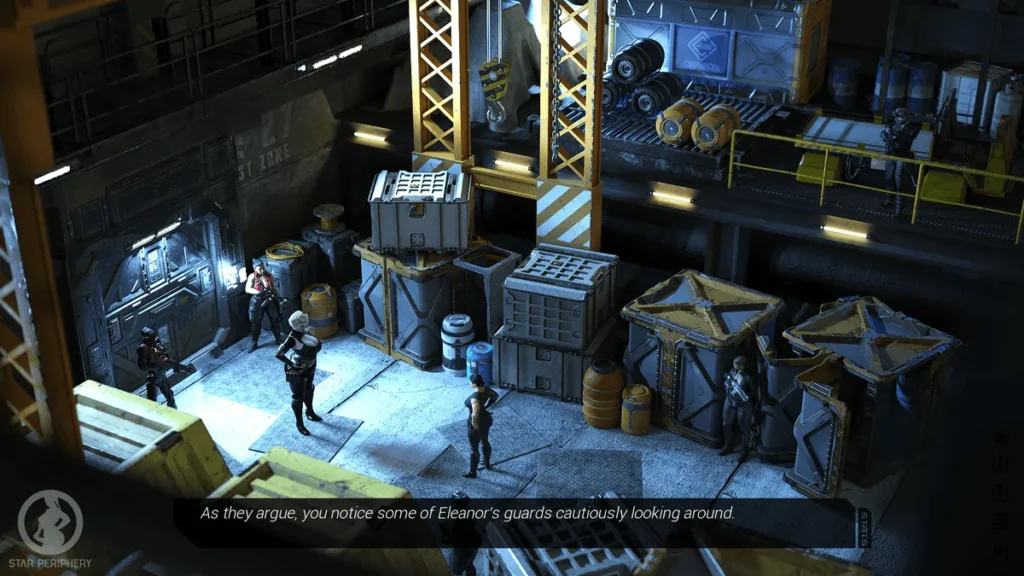
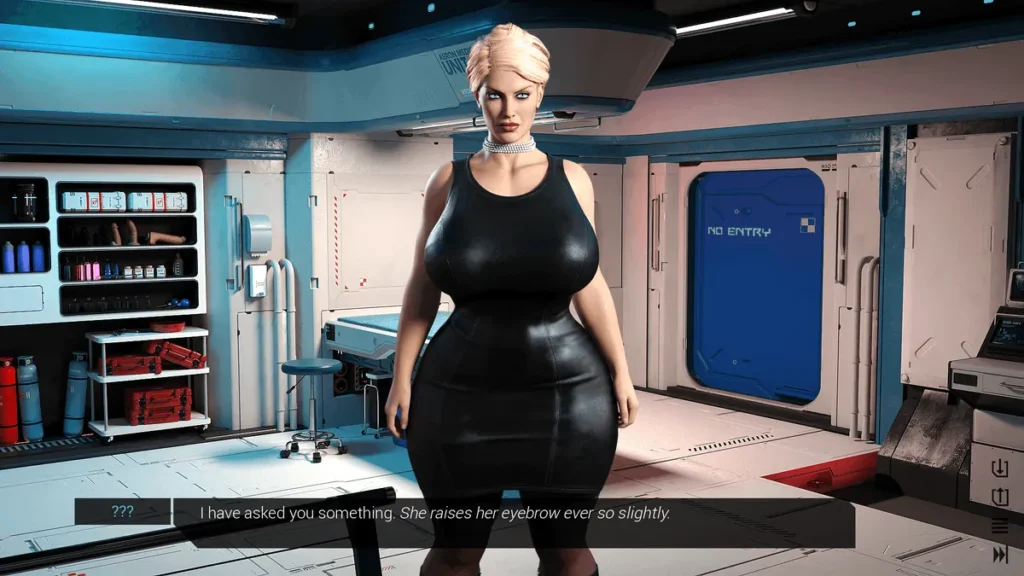

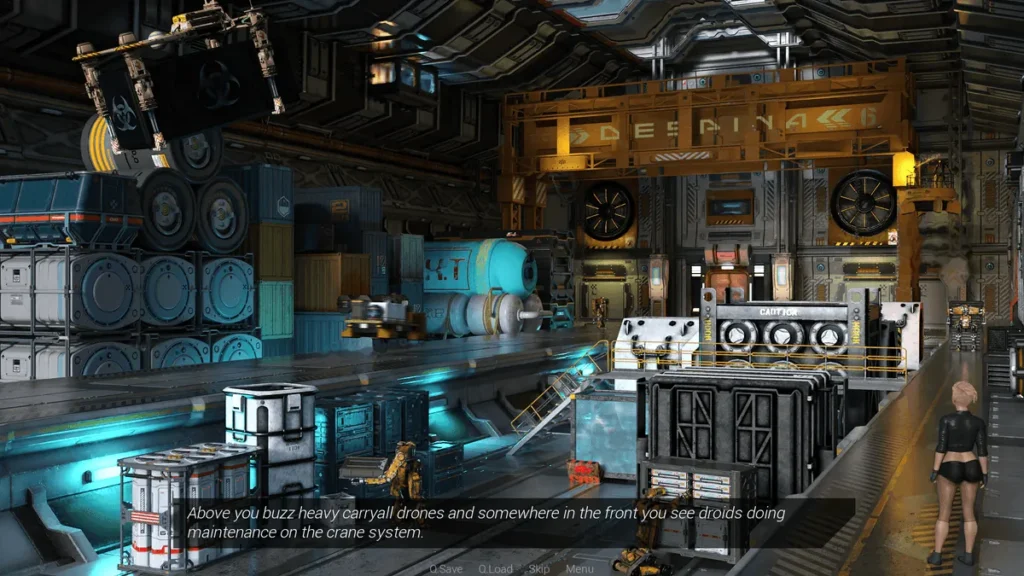
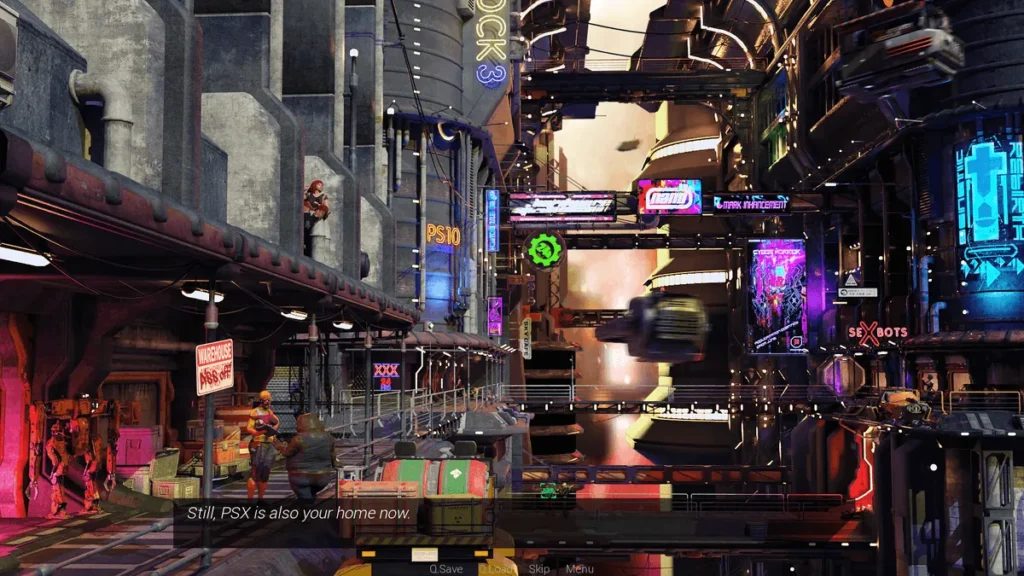
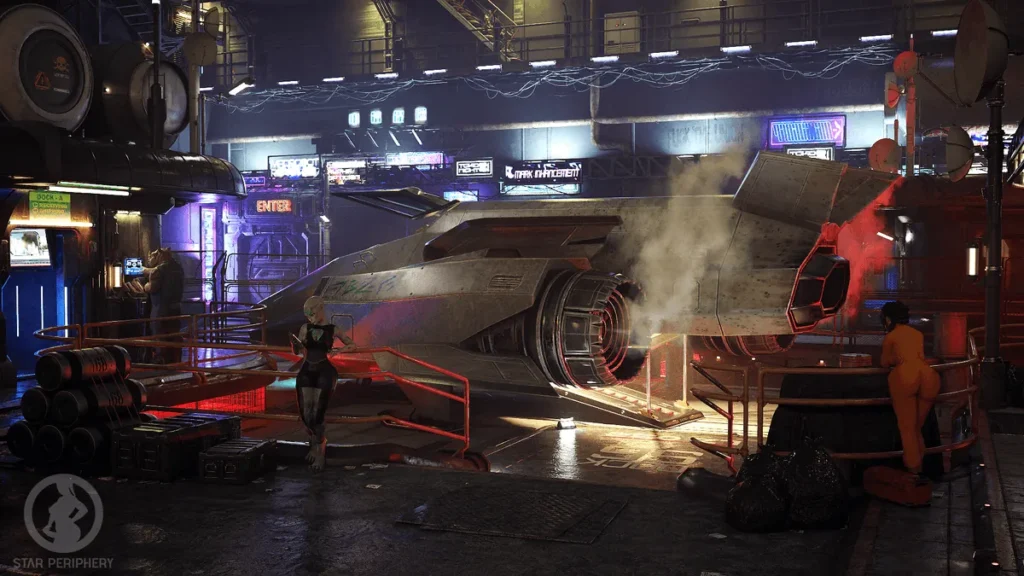
Star Periphery review
Master Command, Strategy, and Thrills in This Adult Space Epic
Imagine commanding vast fleets across the cosmos in Star Periphery, where every decision blends high-stakes strategy with tantalizing adult encounters. This game isn’t your standard space sim—it’s a bold fusion of empire-building and intimate adventures that keeps you hooked for hours. I first stumbled upon Star Periphery during a late-night gaming binge, and it completely redefined my idea of mature entertainment. From multi-layered command systems to immersive narratives, dive into why this title stands out in the crowded space genre. Whether you’re a strategy vet or new to adult gaming, here’s everything you need to conquer the Star Periphery universe.
What Makes Star Periphery Gameplay Unforgettable?
My first foray into Star Periphery gameplay was a glorious, star-strewn disaster. 🤯 I had just secured a lucrative trade route, my fleet was shimmering with fresh upgrades, and I felt like the master of my tiny corner of the galaxy. That arrogance lasted until a rival commander, whom I’d dismissed as a minor nuisance, unleashed a devastating flanking maneuver I never saw coming. My grand fleet was space dust in minutes. That’s when I realized: Star Periphery isn’t just about having the biggest guns; it’s about mastering the multi-layered command systems that breathe life—and death—into every decision.
This game is a universe where your tactical genius meets the unpredictable human (and non-human) element, creating a space strategy adult game experience that’s as deep as it is thrilling. Let’s break down exactly what makes commanding in this game so uniquely captivating.
How Do Multi-Layered Command Systems Work?
Think of command in Star Periphery not as a single lever, but as an entire cockpit of controls. You’re not just a fleet admiral; you’re a resource manager, a diplomat, a base architect, and a leader. Ignoring any one layer is a fast track to defeat. The brilliance of Star Periphery mechanics lies in how these layers constantly interact.
- The Strategic Layer: This is your galaxy map view—the “big picture.” Here, you manage resource flow between mining outposts and your home base, chart exploration into uncharted periphery sectors ripe with danger and reward, and make macro-decisions about research and expansion. It’s slow, deliberate, and cerebral.
- The Tactical Layer: This is where your strategic plans meet reality. When a fleet engagement begins, you zoom in to command individual ship formations, activate special abilities, target specific enemy subsystems, and use the environment (like asteroid fields or nebulae) to your advantage. It’s fast-paced and demanding.
- The Interpersonal Layer: This is the secret sauce. Every captain, engineer, and diplomat on your roster has their own personality, loyalties, and desires. This layer governs morale, the success of delicate missions, and unlocks unique narrative and strategic options. This is where the adult themes are seamlessly woven in, affecting everything from crew efficiency to alliance negotiations.
To visualize how these layers support each other, here’s a quick breakdown:
| Command Layer | Description | Strategy Tip | Impact on Adult Content |
|---|---|---|---|
| Fleet & Tactical | Direct control of ship formations, combat orders, and ability use during engagements. | Never engage without scouts. A hidden enemy fleet will ruin your perfect formation. | High crew morale from positive interactions can boost combat accuracy and evasion stats. |
| Economic & Logistical | Management of resources (ore, credits, data), supply lines, and station/outpost construction. | Specialize your early outposts. One for mining, one for research, defended by a third. | Certain character encounters can reduce build costs or unlock exclusive, powerful upgrades. |
| Crew & Diplomatic | Handling crew assignments, personal missions, faction relations, and alliance building. | Balance your senior staff. A bridge full of only warriors will struggle with diplomacy. | Directly engages with mature storylines and character-driven events that alter political and military landscapes. |
The real magic happens in the feedback loop. A successful personal quest (Interpersonal Layer) might grant you a rare blueprint. You build that ship at your specialized station (Strategic Layer), which then allows you to execute a new, devastating tactic in battle (Tactical Layer). Mastering this loop is the core of how to play Star Periphery effectively.
What Are the Core Mechanics Driving Victory?
Beyond the layers, specific Star Periphery mechanics act as the engine of your empire. Here are the pillars you must build upon:
- Asymmetric Faction Design: 🪐 Each major faction isn’t just a different color scheme. They have fundamentally unique technology trees, ship designs, and even win conditions. One might thrive on stealth and political subversion, while another wins through overwhelming economic dominance. This makes every new game a fresh strategic puzzle.
- Dynamic Morale & Stress: Your crew isn’t robots. Prolonged combat, failed missions, or poor living conditions on your flagship will increase stress, lowering efficiency and even risking mutiny. Conversely, victories, successful explorations, and positive crew interactions boost morale, providing tangible buffs.
- Exploration & The Unknown: The uncharted sectors of the Star Periphery are your greatest source of risk and reward. You might find a derelict super-weapon, a thriving colony to trade with, or a nightmarish alien entity. Your choices in these encounters often have lasting consequences.
- Alliance Systems: Alliances are more than non-aggression pacts. You can share sensor data, coordinate joint strikes, and trade resources. But they require maintenance—fulfill promises, support allies in their wars, or watch that alliance crumble, leaving you exposed.
I learned the hard way that ignoring crew dynamics tanks your fleet. In one campaign, I pushed my crew through three brutal battles without rest to secure a resource node. My strategic goal was achieved, but my interpersonal layer collapsed. Stress-induced mistakes caused a critical engineering failure during the next jump, stranding my fleet and leading to my capture. A perfect lesson in interconnected mechanics.
Why Does the Adult Integration Elevate Strategy?
This is where Star Periphery truly sets itself apart as a mature experience. The adult content isn’t a separate mini-game; it’s a strategic parameter woven into the interpersonal and diplomatic fabric of the game. It provides context, consequence, and depth that elevates the standard space strategy formula.
Let me share a case study from a game I turned around. I was playing as a faction that excels in espionage. My military was weak, and a hostile, militaristic neighbor was massing fleets on my border. A direct fight was suicide. Instead, I used my agents to uncover a scandal involving their lead admiral. Through a series of adult-themed narrative choices—involving blackmail, seduction, and political maneuvering—I turned that admiral into a double agent. On the day of the invasion, his fleet “malfunctioned,” creating a gap in their line. My tiny fleet shot through, captured their undefended capital, and won the war without a major battle. The adult space strategy tips here are about leverage and alternative victory conditions.
These elements serve the strategy by:
* Adding Weight to Recruitment: Recruiting a legendary pilot isn’t just clicking “hire.” You might need to complete a personal, mature-themed storyline to earn their loyalty, making them a truly valuable asset.
* Creating Meaningful Choices: Diplomatic offers often come with complex, morally grey strings attached. Do you betray a trust to secure a powerful ally? The stakes feel real.
* Boosting Core Mechanics: Positive, consensual interactions with your crew or allies can provide powerful, temporary morale or research bonuses, directly impacting your strategic capabilities.
Your First Command: 3 Essential Tips
Before you dive in, here’s my Star Periphery command guide distilled into three actionable tips:
- Scan, Then Scan Again: 🕵️♂️ Never move your main fleet blindly. Always have cheap, fast scout ships probing ahead. The intel they provide on enemy movements and cosmic phenomena is the most valuable resource in the game.
- Specialize Your Stations Early: Don’t try to build a jack-of-all-trades outpost. Dedicate one to mining, one to research, and one to shipbuilding. Protect them with a dedicated defense platform or patrol fleet. This efficiency snowballs quickly.
- Talk to Your Crew: After every major event, check in on your key officers. Their personal quests aren’t just flavor text; they are primary sources of powerful rewards, unique ships, and crucial intelligence. A happy crew is a winning crew.
Ready to delve deeper? In our next chapter, we’ll get into the nitty-gritty of fleet composition, breaking down the exact ship roles and how to counter your enemy’s strategies. We’ll also explore advanced diplomatic plays that can win wars before they even start. The Star Periphery awaits your command—will you build an empire of trade, terror, or something uniquely your own?
FAQ: Your First Steps into the Star Periphery
-
What’s the best starting fleet composition for a beginner?
Focus on balance. Start with 2-3 frontline frigates, 2 support vessels (like a repair ship), and 4-5 versatile strike fighters. This gives you a core that can handle early threats and exploration without being too specialized. -
I’m overwhelmed by resources. What should I prioritize?
In your first few hours, prioritize Credit income above all. Credits are the universal currency for buying ships, bribing factions, and emergency repairs. Secure a stable credit flow before heavily investing in rare ore or exotic research. -
How important are the “adult” choices? Can I ignore them?
While you can often choose a more neutral path, engaging with these mature storylines provides significant strategic advantages, from unique crew bonuses to unlocking hidden diplomatic options. They are a core, integrated part of the challenge and reward system. -
What’s the biggest mistake new commanders make?
Expanding too quickly. Securing a new sector feels great, but it stretches your fleet thin and opens new borders to defend. Solidify your home territory, build up a defensive economic base, and then push outward. Slow and steady wins the cosmic race.
Star Periphery masterfully blends intense space strategy with captivating adult elements, creating an experience that’s as replayable as it is thrilling. From commanding fleets through perilous peripheries to forging alliances in unexpected ways, every session uncovers new depths. My own campaigns taught me that true mastery comes from balancing tactics with bold choices—don’t miss out on this gem. Dive in today, build your empire, and share your epic wins in the comments below. Ready to explore the stars your way?